
Introduction
The evolution of technology has reshaped countless industries, but few have experienced as profound a transformation as the world of gaming. Among the many branches of digital entertainment, iGaming has emerged as one of the fastest-growing and most dynamic sectors. Encompassing online casinos, sports betting, poker, and other forms of interactive gambling, iGaming has revolutionized how people experience chance, strategy, and excitement. Once confined to brick-and-mortar casinos, gaming has now expanded to digital platforms that can be accessed anywhere, anytime. This transformation has created a new global culture of entertainment, where innovation, convenience, and accessibility define the experience. In this blog, we will explore the journey of iGaming, its technological advancements, social and economic impacts, and what the future holds for this rapidly expanding industry.
The Origins of iGaming
The concept of iGaming began in the mid-1990s when the internet first became accessible to the public. The earliest online casinos were simple in design and offered a limited selection of games. Yet, even in their basic form, they introduced something revolutionary—the ability to gamble from the comfort of one’s home.
As technology progressed, so did online gaming platforms. The introduction of secure payment systems, improved graphics, and reliable internet connections laid the foundation for a thriving digital gambling industry. Early iGaming experiences were centered around basic card games and slot machines, but as developers experimented with design and mechanics, a new era of virtual gaming was born.
By the early 2000s, iGaming had become a mainstream form of entertainment. Online poker tournaments, sports betting platforms, and digital slot games attracted millions of players worldwide. What started as a niche market soon transformed into a global phenomenon that continues to expand year after year.
The Growth of the iGaming Industry
Over the past two decades, iGaming has grown exponentially, driven by technology, innovation, and consumer demand for accessible entertainment. The ability to play from any location, at any time, attracted millions of users seeking convenience and engagement.
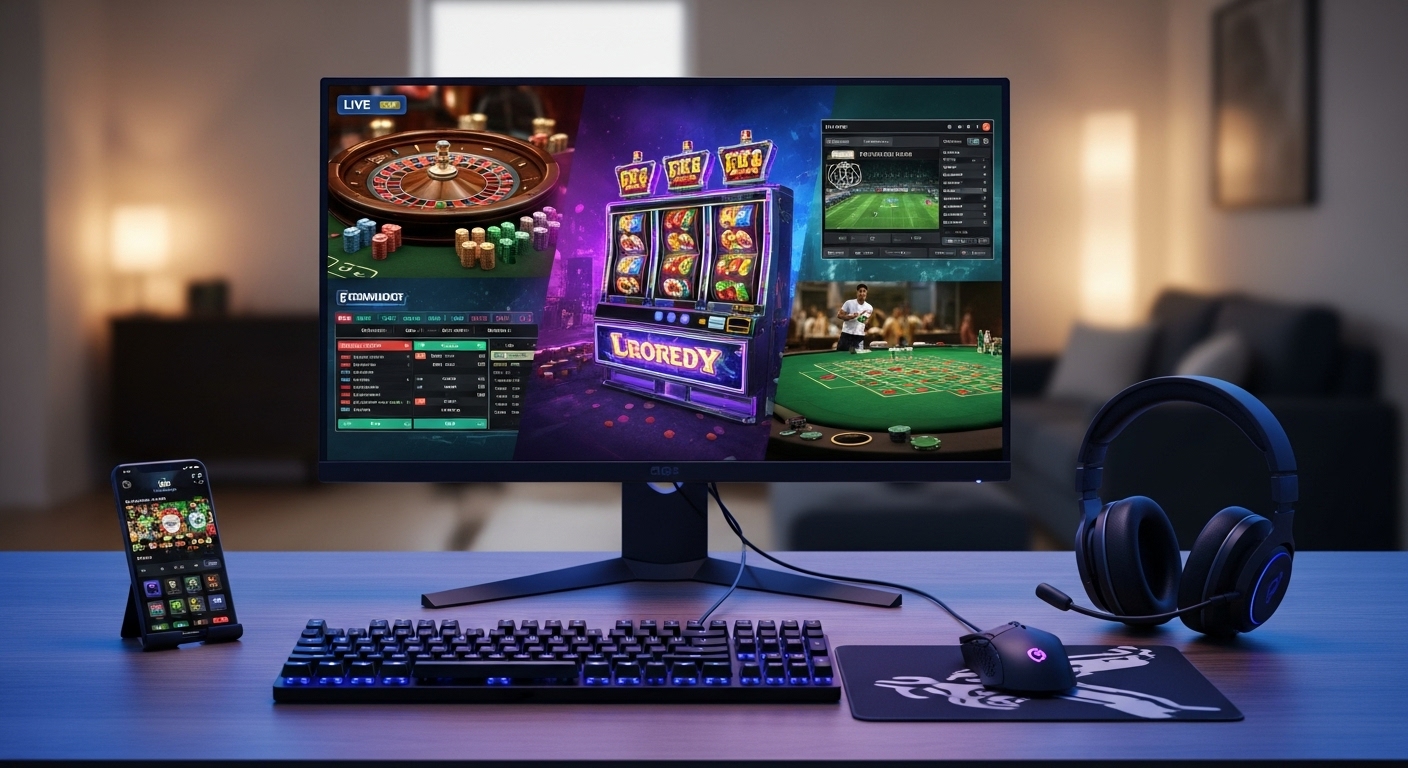
The industry has evolved beyond simple casino games. It now encompasses live dealer experiences, esports betting, mobile platforms, and virtual reality casinos. Each advancement has brought new levels of realism and interaction, making the digital experience as immersive as a physical casino.
Mobile technology, in particular, has played a crucial role in iGaming’s expansion. With smartphones and tablets, users can access their favorite games instantly. Mobile apps have redefined convenience, allowing players to participate in live betting, tournaments, and slot games on the go. The portability of these platforms has transformed iGaming into an everyday entertainment activity rather than a special occasion.
The Role of Technology in Shaping iGaming
Technology is the backbone of iGaming. From advanced software development to secure transaction systems, every aspect of the industry relies on digital innovation. Game developers use complex algorithms and random number generators to ensure fairness and unpredictability, creating an authentic experience that mirrors traditional gaming environments.
Artificial intelligence has also made its mark on the industry. AI algorithms analyze player behavior to personalize experiences, offer game recommendations, and detect unusual activity for enhanced security. Machine learning helps platforms understand user preferences and improve engagement through tailored promotions and interactive gameplay.
Blockchain technology has further revolutionized the sector by introducing transparency and trust. It allows secure transactions and decentralized systems that protect both players and operators. This innovation ensures accountability and provides an added layer of fairness in game results and payment systems.
Virtual reality and augmented reality have opened entirely new dimensions for iGaming. Players can now step into virtual casinos, interact with dealers, and engage with other players as if they were physically present. These immersive technologies blur the line between real-world and digital experiences, creating environments that are both thrilling and interactive.
The Rise of Live Dealer Games
One of the most transformative developments in iGaming is the rise of live dealer games. These games bridge the gap between physical casinos and online platforms by streaming real dealers and tables in real time. Players can place bets, interact with the dealer, and chat with others, replicating the social aspect of casino gaming.
Live dealer games have redefined trust and excitement in online gambling. Unlike traditional digital games that rely solely on algorithms, these games involve real human interaction, providing authenticity and transparency. Popular live dealer offerings include blackjack, roulette, baccarat, and poker.
This blend of human presence and digital accessibility appeals to players who crave genuine casino experiences without geographical limitations. It has become a defining feature of modern iGaming platforms, setting them apart from traditional online gambling sites.
The Social Dimension of iGaming
Contrary to the notion that online gaming is isolating, iGaming has developed a strong social component. Many platforms incorporate live chat features, multiplayer modes, and tournaments where players can connect and compete. These interactions create a sense of community and shared experience that enhances engagement.
Social media integration has also strengthened the iGaming ecosystem. Players share achievements, strategies, and experiences across platforms, contributing to a growing global community. The combination of entertainment, competition, and social connection has made iGaming not just a solitary pastime but a vibrant digital culture.
Moreover, iGaming has opened opportunities for responsible social engagement. Many platforms now promote responsible gaming by offering tools for self-control, spending limits, and awareness programs. This focus on player well-being reflects the industry’s maturity and commitment to sustainability.
The Economic Impact of iGaming
The economic impact of iGaming cannot be overstated. It has become a multi-billion-dollar industry that continues to grow rapidly. The convenience and global reach of digital platforms have made it accessible to millions of users, creating new opportunities for innovation and employment.
The iGaming sector supports a wide range of professions, including software development, cybersecurity, marketing, and customer support. It also contributes significantly to government revenues in countries where online gaming is regulated. Taxes, licensing fees, and related business activities generate substantial economic benefits.
The rise of esports betting and fantasy sports has further expanded the industry’s financial footprint. By combining competitive gaming with betting systems, iGaming has tapped into new audiences and diversified its appeal. As more regions adopt regulatory frameworks, the industry’s growth trajectory is expected to continue rising.
The Psychology of iGaming
The appeal of iGaming lies not only in convenience but also in the psychology of play. Humans have always been drawn to challenges, rewards, and the thrill of uncertainty. iGaming capitalizes on these natural impulses by providing instant feedback, achievement systems, and immersive experiences.
The design of iGaming platforms relies on behavioral psychology to create engagement. Reward systems, bonuses, and interactive elements stimulate motivation and excitement. Players enjoy the balance between skill and chance, as well as the sense of accomplishment that comes with success.
However, responsible gaming practices are essential to maintaining healthy engagement. Many platforms now include features that encourage moderation, such as time limits and self-exclusion options. The focus on player protection reflects the industry’s growing emphasis on ethics and sustainability.
Regulation and Security in iGaming
As iGaming expanded, regulation became crucial to ensure transparency, fairness, and player safety. Governments around the world have established frameworks to license operators, enforce security measures, and monitor compliance. These regulations protect consumers and build trust in the industry.
Security technologies such as encryption and identity verification safeguard players’ personal and financial data. Licensed platforms adhere to strict guidelines, ensuring that games operate fairly and that winnings are paid out accurately. The commitment to regulatory integrity has strengthened the credibility of iGaming and attracted more participants to the digital space.
The Future of iGaming
The future of iGaming is filled with potential and innovation. As technology advances, the boundaries of what is possible continue to expand. Artificial intelligence will further personalize gaming experiences, while blockchain will enhance transparency and decentralization. Virtual and augmented reality will continue to redefine how players interact with digital worlds.
Cross-platform integration will allow users to move seamlessly between devices, ensuring uninterrupted access to games and services. Gamification will become more sophisticated, blending elements of entertainment, education, and competition into dynamic digital ecosystems.
In addition, the integration of cryptocurrencies is likely to become more widespread, providing faster and more secure payment options. Global connectivity will unite players from different regions, creating an even more diverse and interactive gaming community.
Conclusion
iGaming represents the perfect fusion of entertainment, technology, and innovation. It has transformed gambling into a digital experience that is global, accessible, and endlessly evolving. From the early days of online casinos to the immersive worlds of virtual gaming, iGaming has proven its power to adapt and innovate.
It has created new forms of social interaction, contributed to economic growth, and embraced technological advancements that ensure fairness and security. While the industry continues to expand, the importance of responsible gaming and ethical practices remains central to its sustainability.
The rise of iGaming marks a new chapter in digital entertainment—a world where excitement meets innovation, and where every spin, card, and bet tells a story of progress. As technology continues to evolve, iGaming will remain at the forefront of digital transformation, redefining how people experience fun, strategy, and connection in the modern age.
About the Author