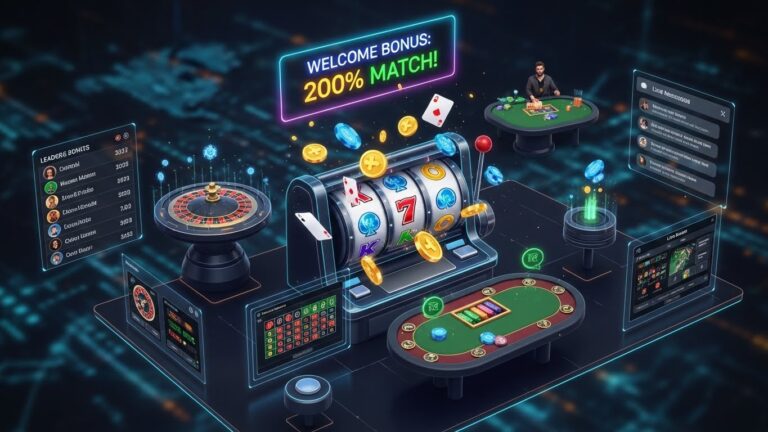

Introduction: The Digital Revolution in Gaming
The world of entertainment has changed dramatically in recent years, and few sectors illustrate this transformation better than iGaming. Short for “interactive gaming,” iGaming encompasses online casinos, sports betting, poker, and other digital gaming experiences. It has evolved from a niche hobby into a mainstream global industry, with millions of players logging in daily to participate. The sector thrives on technology, creativity, and user engagement, offering a dynamic environment that blends entertainment, strategy, and social interaction.
This blog will explore the growth of iGaming, the technologies that power it, current trends, and what the future holds for this fast-evolving industry.
The Evolution of iGaming
iGaming started with simple online platforms that offered basic casino games like slots, roulette, and blackjack. These early platforms were functional but lacked immersive features and interactivity. Over the years, advancements in technology, internet accessibility, and mobile devices have transformed iGaming into a sophisticated digital ecosystem.
Accessibility has played a crucial role in its growth. Players no longer need expensive computers or dedicated consoles. A smartphone or tablet can now provide seamless access to high-quality games with advanced graphics and smooth performance. This convenience has expanded the player base, encouraging innovation in game design and interactive experiences.
Developers also focus on user engagement through features like reward systems, progressive jackpots, and gamification. These elements turn casual players into loyal users, making iGaming a sustainable and thriving sector.
Technologies Driving iGaming Growth
Modern iGaming relies heavily on cutting-edge technologies to deliver an engaging, secure, and personalized experience.
Artificial Intelligence and Machine Learning
AI plays a crucial role in analyzing player behavior, optimizing game experiences, and providing personalized recommendations. Machine learning algorithms can adapt game difficulty based on a player’s skill level or suggest games that match individual preferences. AI also enhances security by detecting suspicious behavior, preventing fraud, and ensuring fair play.
Blockchain and Secure Transactions
Blockchain technology has introduced a new level of transparency and security in iGaming. It allows for provably fair game outcomes, secure financial transactions, and digital record-keeping that is tamper-proof. Digital currencies and crypto wallets are increasingly used for deposits and withdrawals, offering users privacy, speed, and global accessibility.
Virtual Reality and Augmented Reality
Virtual reality (VR) is revolutionizing how players experience digital gaming. VR platforms provide immersive environments where players can interact with games as if they were physically present. Augmented reality (AR) enhances this by overlaying digital elements onto the real world, creating hybrid gaming experiences that are both engaging and interactive.
Cloud Gaming Technology
Cloud infrastructure allows high-quality games to run on devices without powerful hardware. By streaming games from remote servers, platforms reduce latency, improve performance, and ensure smooth gameplay. This technology is essential for mobile gaming, which is now the dominant form of iGaming access.
The Mobile Gaming Revolution
The shift to mobile-first gaming has transformed iGaming. More than half of all iGaming activity now happens on smartphones or tablets. Mobile gaming offers unparalleled convenience, allowing players to enjoy games anytime, anywhere.
Developers prioritize mobile-friendly interfaces, responsive designs, and touch-based controls to enhance user experience. Mobile accessibility also attracts a wider demographic, from younger users familiar with smartphones to older players seeking convenience. This trend encourages the creation of diverse games that cater to different tastes and skill levels.
The Social Dimension of iGaming
iGaming is no longer a solitary experience. Social interaction has become a core component, with features such as live chats, tournaments, leaderboards, and multiplayer modes. Players can communicate with each other, share achievements, and compete in real-time.
Live-dealer games combine human interaction with digital gameplay, offering a realistic casino experience from the comfort of home. Community-driven content and social rewards further increase engagement, making the gaming environment more dynamic and interactive.
Regulation and Responsible Gaming
As iGaming grows, regulation becomes increasingly important. Governments and licensing authorities enforce strict standards to ensure fair play, secure transactions, and ethical marketing. These regulations protect users and maintain industry credibility.
Responsible gaming is also a key focus. Platforms offer features such as spending limits, time restrictions, and self-exclusion options. These tools help players maintain a healthy relationship with gaming, ensuring that entertainment does not turn into harmful behavior. Transparency in terms of gameplay, odds, and transactions builds trust and loyalty among users.
Content Innovation in iGaming
Content diversity is a major driver of iGaming’s popularity. Developers constantly explore new themes, mechanics, and storylines to keep players engaged. Modern games include cinematic visuals, soundtracks, animation, and narrative elements, providing a richer experience than traditional digital gambling.
Personalized content, powered by AI, enhances engagement by recommending games based on player behavior. This creates a tailored gaming journey that encourages longer play sessions and higher satisfaction.
The Role of Esports in iGaming
Esports has become a significant part of the digital entertainment landscape, and its connection with iGaming continues to grow. Competitive gaming elements such as tournaments, ranked matches, and skill-based challenges attract players seeking recognition and reward.
Esports integration encourages social interaction and community building, while also providing opportunities for betting and competitive participation. This convergence of gaming and competition has created a new niche within iGaming, appealing to both casual and professional gamers.
Emerging Trends in iGaming
Several trends are shaping the future of iGaming:
Hyper-Personalization: AI will continue to refine personalized experiences, tailoring game suggestions, difficulty levels, and content in real-time.
Enhanced Security: Cybersecurity measures, including biometric authentication and behavioral analytics, will protect players’ data and financial transactions.
Immersive Experiences: VR, AR, and cloud gaming will converge to offer fully interactive and lifelike environments.
Global Expansion: As internet accessibility improves worldwide, new markets will emerge, introducing cultural diversity and fresh content ideas to the industry.
Challenges Facing iGaming
Despite its rapid growth, iGaming faces challenges that require careful attention. Regulatory compliance varies across regions, creating complexity for global platforms. Security threats, including cyberattacks and fraud, demand constant vigilance. Player retention and engagement require innovative strategies, as competition continues to intensify.
Balancing innovation with responsible gaming is another critical concern. Platforms must provide exciting experiences without encouraging harmful behaviors. Transparent practices, ethical marketing, and effective support systems are essential for long-term success.
The Future of iGaming
The future of iGaming is promising, marked by continuous innovation, increased accessibility, and deeper user engagement. AI, VR, AR, blockchain, and cloud technologies will continue to shape the industry. Mobile-first approaches and social features will further enhance player experience, while esports integration will attract competitive communities.
Global expansion and technological evolution will ensure that iGaming remains a dynamic, evolving sector. Platforms that embrace innovation, prioritize security, and maintain player trust will lead the way in this exciting digital landscape.
Conclusion: iGaming as a Cultural and Technological Phenomenon
iGaming has transformed from a simple digital pastime into a multifaceted ecosystem that blends technology, entertainment, and social interaction. Its evolution has been driven by innovation, accessibility, and the desire for immersive experiences. From mobile-first gaming to AI-powered personalization, iGaming continues to redefine how people play, interact, and connect online.
As the industry grows, it will continue to balance innovation with responsibility, creating a safe, engaging, and enjoyable environment for players worldwide. The future of iGaming is not only about technology—it is about shaping a global culture of interactive entertainment that brings people together in digital spaces.
iGaming has truly become more than just games—it is a thriving, evolving universe that continues to captivate millions and redefine the future of entertainment.
About the Author