
Introduction: The Rise of iGaming
The world of entertainment has undergone a profound transformation with the rise of iGaming. What once was limited to physical casinos, card rooms, and lottery halls has moved seamlessly into the digital space. iGaming, or online gaming, refers to gambling and interactive entertainment conducted via the internet, encompassing casino games, sports betting, poker, lottery, and more. This shift has made gaming more accessible, interactive, and immersive than ever before, attracting millions of players worldwide.
The allure of iGaming lies in its convenience, variety, and excitement. Players can now engage in games from the comfort of their homes, enjoy live dealer experiences, and access a global community of enthusiasts. As technology continues to advance, iGaming is poised to redefine entertainment, offering experiences that blend strategy, chance, and social interaction.
The Evolution of iGaming
iGaming has a fascinating history that mirrors the development of digital technology. Early online gambling platforms appeared in the mid-1990s, offering basic casino games and poker. These platforms were limited in design and accessibility, but they laid the groundwork for the digital revolution in gaming.
As internet speeds increased and software became more sophisticated, iGaming evolved rapidly. The introduction of secure payment systems, interactive graphics, and live streaming brought new levels of engagement. Today, iGaming combines cutting-edge technology with entertainment, offering experiences that rival traditional casinos in excitement and realism.
Types of iGaming Experiences
iGaming is not a single form of entertainment; it encompasses a wide range of gaming experiences catering to diverse preferences.
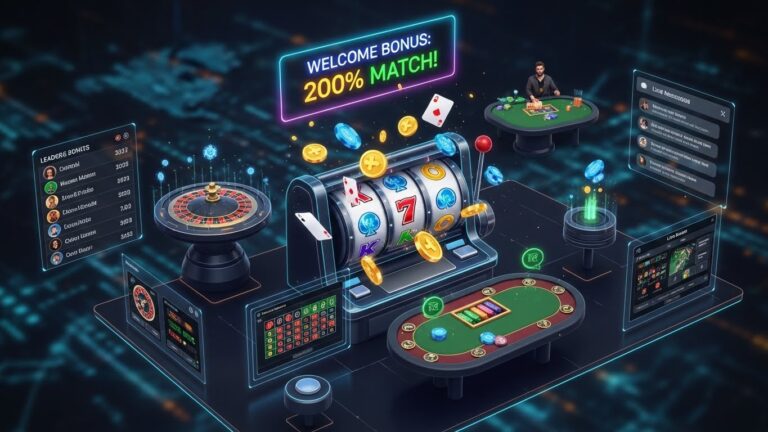
Online Casinos: Online casinos replicate the traditional casino experience, offering slot machines, blackjack, roulette, and baccarat. These platforms often feature bonus systems, interactive graphics, and live dealer options that enhance the sense of realism.
Sports Betting: Sports betting platforms allow players to wager on a wide range of sporting events, from football and basketball to horse racing and esports. The digital interface enables live betting, statistics tracking, and strategic gameplay.
Poker and Card Games: Online poker has gained immense popularity, with tournaments drawing global audiences. Card games in the iGaming space offer both casual and competitive play, emphasizing strategy and skill alongside luck.
Lottery and Bingo: Digital lottery platforms and online bingo provide casual entertainment with the excitement of potential rewards. These games appeal to players seeking social engagement and low-stakes enjoyment.
Esports Betting: The growth of esports has extended to iGaming, where enthusiasts can place bets on competitive gaming events. This fusion of esports and betting creates a unique interactive experience that engages both gamers and spectators.
Each form of iGaming offers its own appeal, but all share the ability to combine entertainment, strategy, and the thrill of chance in a digital environment.
Technology Transforming iGaming
The success of iGaming relies heavily on technology. Advanced software, secure payment systems, mobile platforms, and artificial intelligence have transformed the way people play online. Mobile compatibility allows players to access games anytime, anywhere, making entertainment more flexible than ever.
Live streaming technology has introduced live dealer casinos, where players can interact with real dealers in real time. Virtual reality is the next frontier, offering immersive environments that simulate the atmosphere of a physical casino. Additionally, AI algorithms personalize player experiences, offering tailored recommendations, promotions, and gameplay enhancements. Technology ensures that iGaming remains engaging, safe, and continuously innovative.
iGaming and Social Interaction
While gambling is often perceived as a solitary activity, iGaming emphasizes social interaction. Multiplayer games, chat features, and live tournaments create opportunities for players to connect, share strategies, and build communities. Online poker and multiplayer casino games are prime examples, allowing players to compete and communicate with others globally.
Social interaction in iGaming enhances the entertainment experience, providing both competition and camaraderie. Many platforms also integrate social media elements, allowing players to share achievements, invite friends, and participate in challenges, making iGaming a communal and dynamic experience.
The Psychological Appeal of iGaming
iGaming’s popularity is not just about convenience—it taps into human psychology. The thrill of risk, the excitement of rewards, and the challenge of strategy make online gaming highly engaging. Slot machines use variable reward systems that stimulate dopamine release, creating a sense of anticipation and excitement.
Skill-based games like poker and blackjack appeal to players’ cognitive abilities, offering the satisfaction of strategic decision-making and problem-solving. The psychological impact of iGaming is powerful, blending entertainment with challenge, reward, and emotional engagement. However, responsible gaming practices are essential to ensure enjoyment without negative consequences.
Economic Impact of iGaming
The iGaming industry has become a significant economic force. It generates billions in revenue, creates employment opportunities, and stimulates technological innovation. Developers, designers, marketers, and security experts contribute to a thriving global industry.
Beyond direct economic contributions, iGaming supports related sectors such as software development, cybersecurity, payment processing, and content creation. Governments also benefit from regulation and taxation, making iGaming an important contributor to modern economies. Its growth reflects both consumer demand and technological advancement, demonstrating its significance in the entertainment and business worlds.
Legal and Regulatory Considerations
iGaming operates within complex legal frameworks that vary by country and region. Licensing and regulation ensure that platforms are safe, secure, and fair. Regulatory bodies oversee standards for responsible gaming, secure financial transactions, and anti-fraud measures.
Players benefit from these regulations as they create trust and legitimacy in the industry. Legal oversight also helps prevent underage gambling and supports initiatives to combat problem gambling. As the industry expands, maintaining responsible practices is critical for sustainable growth and public confidence.
The Role of Innovation in iGaming
Innovation drives the iGaming industry forward. Gamification, interactive storytelling, immersive graphics, and AI-driven personalization enhance the player experience. Blockchain technology and cryptocurrencies are increasingly integrated, offering secure, transparent, and efficient payment methods.
Innovation also extends to game design. Developers continually experiment with mechanics, themes, and interactive elements to keep players engaged. The fusion of entertainment, technology, and innovation ensures that iGaming evolves alongside player expectations, remaining fresh and exciting in a competitive market.
iGaming as Entertainment and Strategy
iGaming uniquely blends entertainment and strategy. While chance plays a role in most games, skill and decision-making are equally important. Poker, blackjack, and strategic betting exemplify this balance, offering intellectual engagement alongside excitement.
Players must analyze odds, develop tactics, and adapt to changing scenarios. This combination of cognitive challenge and risk-taking makes iGaming a multifaceted form of entertainment, appealing to both casual players and competitive enthusiasts.
Challenges and Responsibilities in iGaming
Despite its appeal, iGaming comes with challenges. Problem gambling, addiction, and financial risks are real concerns. Developers, regulators, and players share a responsibility to promote responsible gaming practices. Tools such as deposit limits, self-exclusion programs, and behavioral monitoring help mitigate risks.
Balancing entertainment with safety is crucial. Awareness, education, and community support ensure that iGaming remains a positive and engaging experience rather than a source of harm. Responsible practices safeguard the industry’s reputation and players’ well-being.
The Future of iGaming
The future of iGaming is bright and full of potential. Virtual reality and augmented reality will create immersive casino environments where players feel physically present. Artificial intelligence will further personalize experiences, making games more adaptive, engaging, and challenging.
Global connectivity will expand iGaming communities, creating a shared experience across cultures and continents. New game formats, payment methods, and interactive elements will continue to redefine entertainment, blurring the line between traditional gaming and digital innovation. The future promises a seamless, interactive, and highly engaging iGaming experience.
Conclusion: iGaming as a Cultural and Entertainment Force
iGaming is more than digital gambling; it is a cultural and entertainment revolution. It combines strategy, social interaction, technology, and excitement into a single immersive experience. The industry continues to grow, innovate, and influence global entertainment trends, offering experiences that are engaging, interactive, and accessible.
As technology evolves, iGaming will redefine how people play, connect, and experience digital entertainment. It has transformed casinos, betting, and gaming into dynamic, global experiences that combine chance, skill, and social interaction. iGaming is not just a pastime—it is a cultural phenomenon that shapes how we entertain, engage, and imagine in the digital age.
About the Author