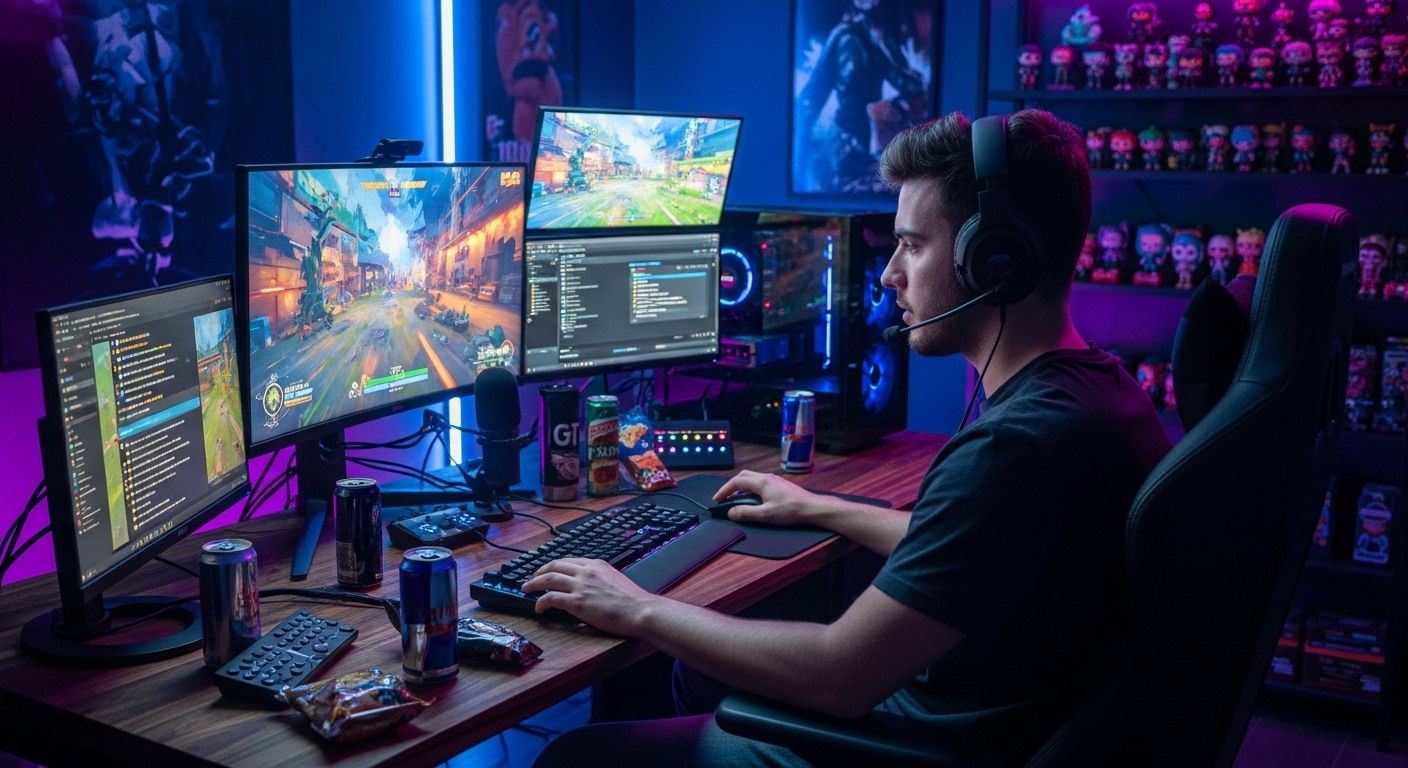
The rise of esports from a niche hobby to a global entertainment phenomenon did not happen overnight. Behind this explosive growth lies the powerful influence of streaming platforms. In the digital era, streaming has transformed the way audiences consume gaming content, creating a massive shift in how competitive gaming is viewed, shared, and monetized. Platforms such as Twitch, YouTube Gaming, and Facebook Gaming have not only given esports a stage but have also redefined what it means to be a spectator in the modern age. This blog explores in depth how streaming platforms have boosted esports popularity, shaping its culture, expanding its audience, and revolutionizing the business of competitive gaming.
The Birth of Esports Streaming
Before streaming platforms existed, esports faced a challenge—limited accessibility. Competitive gaming events were often restricted to physical venues or broadcast through specialized channels with limited reach. The early 2000s saw esports tournaments like the World Cyber Games and Major League Gaming emerge, but their audiences were relatively small compared to mainstream sports. Players and fans had to rely on recorded videos or news articles to follow their favorite tournaments.
The introduction of streaming technology changed everything. With live streaming, fans could experience the excitement of esports in real time. Twitch, launched in 2011, became a game-changer by offering an interactive, community-based platform where gamers could broadcast their gameplay and audiences could watch instantly. Suddenly, anyone with an internet connection could tune in to professional matches, follow favorite players, and engage with other viewers—all from their devices. This accessibility was the first major boost to esports’ popularity, democratizing the viewing experience and creating an entirely new form of digital entertainment.
Accessibility and Global Reach
Streaming platforms broke down geographical barriers that once limited esports audiences. A match happening in South Korea could now be watched by fans in Europe, North America, or Africa at the same time. This instant global reach allowed esports to grow into a truly international industry. Fans no longer needed cable subscriptions or local broadcasts; all they needed was an internet connection.
This accessibility opened doors for both players and fans. Aspiring gamers from different parts of the world could showcase their skills, gain followers, and even attract sponsorships. Meanwhile, fans could watch their favorite teams and tournaments live, interact with the community, and participate in discussions. Streaming made esports inclusive, inviting anyone—regardless of location or background—to become part of the experience.
Additionally, streaming platforms often support multiple languages and regional broadcasts, ensuring that events appeal to local audiences. This localization of content further expanded esports’ global footprint. The ability to watch tournaments in one’s native language or interact with streamers from the same region made esports more relatable and engaging, fueling even greater enthusiasm.
The Rise of Streamers and Personal Branding
One of the most powerful effects of streaming platforms on esports is the rise of individual streamers and content creators. These personalities bridge the gap between casual gaming and professional esports. Through their charisma, skill, and consistent streaming schedules, they attract massive followings, turning ordinary players into internet celebrities.
Streamers like Ninja, Shroud, and Pokimane became household names, often drawing millions of viewers during live sessions. Their success brought attention to the games they played, indirectly promoting esports titles like Fortnite, Valorant, and League of Legends. For many fans, watching their favorite streamer became as exciting as following professional tournaments. This personal connection between streamer and viewer fosters loyalty and builds communities that contribute to the overall popularity of esports.
Moreover, professional esports players themselves often use streaming to engage with fans outside of tournaments. By sharing practice sessions, behind-the-scenes moments, or even casual gaming content, they humanize the competitive scene. Fans get a glimpse into their training routines, personalities, and off-stage interactions, deepening their emotional investment. This connection turns viewers into dedicated supporters who follow both individual players and entire teams.
Interactive Engagement and Community Building
Unlike traditional sports broadcasts, streaming platforms allow direct interaction between viewers and streamers through live chat, emotes, polls, and donations. This interactivity has revolutionized the viewing experience. Fans are no longer passive observers; they are active participants in the content.
During esports events, chats often explode with excitement—fans cheer, debate, and celebrate together in real time. This shared enthusiasm creates a sense of belonging and community, a vital factor in esports’ sustained popularity. Streaming platforms also encourage the formation of online communities through subscriber benefits, Discord servers, and fan groups. These spaces allow fans to connect, share strategies, and discuss matches long after the streams end.
The feeling of being part of a community makes esports more engaging than traditional sports for many younger viewers. It transforms viewing into an interactive, social experience. For streamers and tournament organizers, this interaction provides valuable feedback and insights into audience preferences, helping them create more appealing and engaging content in the future.
Streaming Platforms as Marketing Powerhouses
Esports has grown into a multibillion-dollar industry partly due to the marketing potential of streaming platforms. Companies recognized early on that streaming audiences are not only massive but also highly engaged. Advertising on these platforms offers direct access to young, tech-savvy consumers who are often hard to reach through traditional media.
Game developers use streaming platforms to promote new titles, updates, and events. The viral nature of live streaming means that exciting gameplay moments can spread across the internet within minutes, generating organic hype. Esports tournaments streamed online often feature sponsorships from major brands ranging from tech companies to beverage manufacturers, leveraging the massive exposure streaming provides.
Furthermore, streaming has become an effective tool for recruitment and talent scouting. Organizations monitor streams to discover emerging players with exceptional skills and strong fanbases. This ecosystem of content, community, and marketing drives the economic engine behind esports, fueling continuous growth and innovation.
Esports Tournaments and Record-Breaking Viewership
Streaming platforms have elevated esports tournaments into global spectacles. Major events like The International for Dota 2, the League of Legends World Championship, and the Fortnite World Cup attract millions of live viewers from around the world. Some of these events have even surpassed the viewership of traditional sports broadcasts, proving the immense potential of online streaming.
What makes these tournaments so successful is the immersive viewing experience that streaming platforms provide. Fans can choose from multiple camera angles, follow specific players, or listen to live commentary—all from their devices. Additionally, platforms often host special broadcasts with influencers or professional casters who add entertainment and analysis value to the stream.
The ability to stream in high definition, along with features like real-time replays and highlights, enhances viewer satisfaction. These technological improvements keep fans engaged and make esports events more professional and enjoyable to watch. Streaming platforms also archive matches, allowing fans to rewatch or analyze games anytime. This accessibility keeps interest alive long after tournaments conclude.
Monetization and Support for Players
Streaming has also transformed how esports professionals earn income. Beyond tournament winnings, players can now generate revenue through subscriptions, donations, sponsorships, and advertisements. For many streamers and esports players, these income streams provide financial stability and creative freedom.
Platforms like Twitch introduced monetization models where viewers can support streamers directly. Subscriptions grant access to exclusive content, chat privileges, or special badges, encouraging fans to contribute regularly. Donations and tips during live sessions further strengthen the bond between streamer and audience.
This financial ecosystem benefits not only individual players but also the broader esports industry. Teams, event organizers, and developers receive exposure and financial support through streaming. Smaller tournaments and independent creators can reach large audiences without the need for traditional broadcasting deals, leveling the playing field and allowing innovation to thrive.
The Role of Streaming in Game Development and Longevity
Game developers have learned that streaming is an invaluable tool for sustaining a game’s popularity. When players stream a game, they provide free marketing that extends the title’s life cycle. Developers often collaborate with streamers to showcase new features or updates, generating immediate attention and feedback.
In some cases, entire esports ecosystems have been built around streaming visibility. For example, games with strong spectator modes and replay systems tend to thrive on streaming platforms because they are more enjoyable to watch. Developers now design games with streaming in mind, ensuring that the viewing experience is as entertaining as playing the game itself.
Additionally, streaming platforms offer real-time analytics and viewer statistics that help developers understand audience behavior. This data-driven feedback allows for more targeted updates and community-driven content, enhancing player satisfaction and engagement over time.
Social Media Integration and Viral Moments
Streaming platforms seamlessly integrate with social media, amplifying esports visibility. Memorable moments from live matches—such as clutch plays, shocking upsets, or humorous interactions—are clipped and shared across social networks within seconds. These viral highlights attract new viewers who may not have been traditional gamers but are drawn to the excitement of esports.
This cross-platform sharing creates a ripple effect. A single viral clip can attract millions of views, boosting a game’s popularity overnight. Streamers also use social media to engage followers, announce streams, and interact outside the platform. This multi-channel presence ensures that esports remain visible and relevant in the fast-paced digital landscape.
Educational and Career Opportunities Through Streaming
Beyond entertainment, streaming has created educational and career opportunities within esports. Aspiring players can learn strategies and techniques by watching professionals. Many streamers host coaching sessions or tutorials, sharing insights about gameplay, teamwork, and mental preparation. This accessibility to expert knowledge helps cultivate new talent and raises the overall competitive level.
For those interested in careers beyond playing, streaming offers roles in commentary, production, marketing, and community management. The esports ecosystem thrives on diverse skill sets, and streaming platforms serve as gateways for many to enter the industry. Universities and institutions have even started to include esports and streaming-related courses, recognizing their importance in modern media and entertainment.
Challenges and the Future of Streaming in Esports
While streaming platforms have propelled esports to unprecedented heights, they also face challenges. Oversaturation of content can make it difficult for new streamers to stand out. Maintaining viewer engagement requires consistency, creativity, and authenticity. Additionally, issues such as copyright disputes, platform exclusivity, and moderation of toxic behavior remain ongoing concerns.
Despite these challenges, the future looks bright. Advancements in technology, such as virtual reality, augmented reality, and AI-driven analytics, promise to make esports streaming even more immersive and interactive. The continued integration of esports with mainstream media and entertainment will further solidify its place in global culture.
Streaming platforms are also exploring new monetization methods, such as virtual goods, exclusive content passes, and interactive tournaments, to enhance both creator and viewer experiences. As the ecosystem evolves, streaming will remain at the core of esports’ growth, connecting players, fans, and brands in ways that were once unimaginable.
Conclusion
Streaming platforms have become the lifeblood of esports, transforming it from a niche pastime into a global phenomenon. Through accessibility, community engagement, monetization opportunities, and viral reach, streaming has elevated competitive gaming to new heights. It has turned gamers into celebrities, tournaments into global events, and fans into active participants in a thriving digital culture.
The bond between esports and streaming is symbiotic—each fuels the other’s growth. As technology continues to advance and more audiences embrace interactive entertainment, the influence of streaming platforms on esports will only deepen. The future of competitive gaming is not just being played—it is being streamed, shared, and celebrated by millions worldwide.
About the Author