The iGaming industry, a dynamic and rapidly growing sector, has transformed the way people engage with entertainment and gambling online. From its humble beginnings with basic online casinos to the sophisticated, immersive platforms of today, iGaming has become a cultural phenomenon. In this article, we explore the evolution, trends, technology, and future of iGaming, highlighting why it continues to captivate millions worldwide.
A Brief History of iGaming
The origins of iGaming can be traced back to the mid-1990s when the internet became widely accessible to the public. The first online casinos offered simple versions of traditional casino games like blackjack, poker, and roulette. These early platforms were rudimentary, featuring basic graphics and limited interactivity, yet they laid the foundation for a massive digital revolution.
As technology advanced, so did the sophistication of online gaming platforms. By the early 2000s, online poker rooms and sports betting sites began to gain traction, providing players with more options and engaging experiences. This era marked a turning point in iGaming, where accessibility and convenience started to drive its popularity.
Key Components of the iGaming Industry
iGaming encompasses a broad spectrum of activities, from online casinos and poker rooms to sports betting and virtual gaming experiences. Each segment has unique characteristics and appeals to different audiences.
Online Casinos
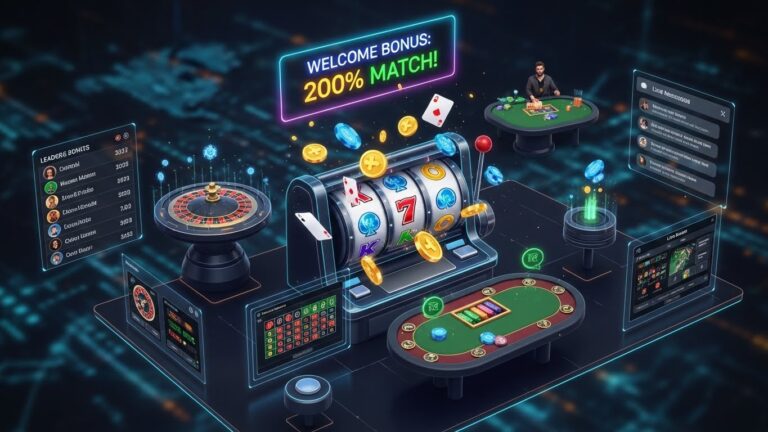
Online casinos remain the cornerstone of the iGaming industry. They offer digital versions of classic casino games such as slots, blackjack, roulette, and baccarat. Modern online casinos now focus on delivering highly interactive experiences with live dealer games, where players can engage with real dealers via streaming technology.
Sports Betting
Sports betting has seen remarkable growth in recent years, fueled by the legalization of sports gambling in multiple regions. Online sportsbooks allow players to bet on a wide range of sports, from football and basketball to horse racing and esports. The integration of real-time data analytics has enhanced betting experiences, making them more dynamic and strategic.
Poker and Skill-Based Games
Online poker remains popular for its combination of luck, strategy, and competition. In addition to poker, skill-based games are increasingly prevalent in iGaming, appealing to players who enjoy exercising strategy over pure chance. This shift reflects a broader trend toward engaging and intellectually stimulating online experiences.
Emerging Segments: Esports and Virtual Gaming
Esports betting has exploded in popularity over the last decade. Professional competitive gaming attracts millions of viewers worldwide, and the opportunity to place bets on these events has created a lucrative niche within iGaming. Similarly, virtual gaming—including virtual sports and simulations—offers players a unique, immersive experience where technology and creativity intersect.
Technology Driving iGaming Innovation
The rapid advancement of technology has been a critical driver of growth in the iGaming sector. Several key technological trends are shaping the industry today.
Mobile Gaming
Smartphones and tablets have revolutionized iGaming by enabling players to access their favorite games anywhere and anytime. Mobile-optimized platforms and dedicated apps offer seamless gameplay experiences, pushing iGaming beyond the confines of desktop computers.
Live Dealer Games
Live dealer technology bridges the gap between online and offline gaming by streaming real dealers in real-time. This innovation combines the convenience of digital platforms with the social and immersive experience of traditional casinos, significantly enhancing player engagement.
Virtual Reality and Augmented Reality
Virtual reality (VR) and augmented reality (AR) are poised to redefine iGaming experiences. VR casinos provide players with fully immersive environments, allowing them to walk through virtual casino floors, interact with other players, and participate in games as if they were physically present. AR, on the other hand, can overlay interactive gaming elements onto the real world, creating hybrid experiences that blend reality and digital entertainment.
Blockchain and Cryptocurrencies
Blockchain technology and cryptocurrencies have introduced new levels of transparency, security, and efficiency in iGaming. Cryptocurrencies like Bitcoin allow for fast, secure transactions, while blockchain ensures the fairness and integrity of games through decentralized verification mechanisms.
Artificial Intelligence and Personalization
Artificial intelligence (AI) plays a pivotal role in personalizing player experiences. AI algorithms analyze player behavior, preferences, and trends to tailor recommendations, bonuses, and gameplay features. This personalization improves user engagement and satisfaction, making gaming experiences more enjoyable and unique.
Legal and Regulatory Landscape
The iGaming industry operates within a complex legal and regulatory framework. Different countries have varying regulations regarding online gambling, ranging from strict prohibition to full legalization. Understanding these regulations is crucial for operators and players alike.
Licensing and Compliance
Online casinos and sportsbooks must obtain licenses from regulatory authorities to operate legally. These licenses ensure that operators adhere to strict standards of fairness, security, and responsible gaming. Compliance with local laws protects players and maintains the integrity of the industry.
Responsible Gaming
Promoting responsible gaming is a priority for the iGaming sector. Operators implement features like deposit limits, self-exclusion options, and age verification to prevent gambling addiction and protect vulnerable players. Education campaigns and support resources further reinforce responsible gaming practices.
International Variations
The legal landscape of iGaming varies significantly across regions. While countries like the United Kingdom and Malta have well-established regulatory frameworks, others maintain strict restrictions or outright bans. These variations influence market dynamics and shape the strategies of global iGaming operators.
The Social and Cultural Impact of iGaming
iGaming has extended beyond entertainment, influencing social behavior, culture, and even economics. Its impact is multifaceted, affecting how people interact, spend leisure time, and engage with technology.
Community and Social Interaction
Online gaming platforms foster social interaction through chat features, multiplayer games, and live streaming. Players often form communities, share strategies, and build friendships around shared gaming interests. This social dimension enhances the appeal of iGaming, making it more than just a solitary activity.
Economic Contributions
The iGaming industry contributes significantly to the global economy. It generates employment opportunities, drives technological innovation, and supports ancillary industries such as software development, marketing, and customer service. Additionally, regulated iGaming markets contribute tax revenue to governments, supporting public services.
Cultural Influence
iGaming has become a part of popular culture, influencing entertainment, media, and digital trends. Esports tournaments, live streaming events, and gaming influencers have helped integrate iGaming into mainstream consciousness, further fueling its growth and relevance.
Challenges and Opportunities
Despite its rapid growth, the iGaming industry faces several challenges. Addressing these challenges creates opportunities for innovation and sustainable development.
Security and Fraud Prevention
Online platforms are vulnerable to cyber threats, including hacking, identity theft, and fraudulent transactions. Implementing robust security measures, encryption protocols, and real-time monitoring is essential to protect players and maintain trust.
Market Saturation and Competition
The iGaming market is highly competitive, with numerous operators vying for player attention. Differentiating platforms through unique gameplay experiences, innovative features, and exceptional customer service is key to standing out in a crowded market.
Technological Adaptation
Keeping pace with rapidly evolving technology is both a challenge and an opportunity. Operators that successfully integrate cutting-edge features like AI, VR, AR, and blockchain gain a competitive edge, while those that lag risk obsolescence.
Responsible Gaming and Ethical Practices
Balancing profitability with ethical responsibility is critical. Operators must prioritize responsible gaming, data privacy, and fair practices to sustain long-term growth and maintain player trust.
Future Trends in iGaming
The future of iGaming promises exciting developments as technology, regulation, and player expectations continue to evolve. Several trends are likely to shape the next decade of online gaming.
Gamification and Interactive Experiences
Gamification techniques—such as rewards, achievements, and challenges—are increasingly incorporated into iGaming platforms. These elements make gameplay more engaging, encouraging prolonged participation and enhancing overall enjoyment.
Artificial Intelligence and Predictive Analytics
AI-driven predictive analytics will play a greater role in understanding player behavior and optimizing gaming experiences. Operators can anticipate player preferences, personalize content, and design more strategic and engaging gameplay mechanics.
Expansion of Esports and Virtual Events
Esports and virtual gaming events are expected to grow exponentially, attracting new audiences and creating additional revenue streams. Integration with mainstream entertainment and sports industries will further legitimize and popularize these experiences.
Cross-Platform and Cloud Gaming
Cross-platform compatibility and cloud-based gaming will enhance accessibility, allowing players to seamlessly switch devices without losing progress. This flexibility caters to modern lifestyles and expands the potential player base.
Regulatory Harmonization
As governments recognize the economic and social benefits of regulated iGaming, there may be efforts toward harmonizing regulations across regions. Streamlined licensing processes and standardized compliance requirements could simplify operations for global operators.
Conclusion
The iGaming industry has come a long way since its inception, evolving into a sophisticated, dynamic sector that blends entertainment, technology, and social interaction. With innovations like live dealer games, VR experiences, AI personalization, and blockchain integration, the possibilities for the future are limitless. While challenges like security, regulation, and ethical responsibility remain, they also present opportunities for innovation, growth, and enhanced player experiences.
iGaming is more than just online gambling; it is a cultural and technological phenomenon that continues to redefine how people play, interact, and experience digital entertainment. As the industry continues to evolve, one thing is certain: the world of iGaming will remain an exciting frontier for both players and operators alike.
About the Author