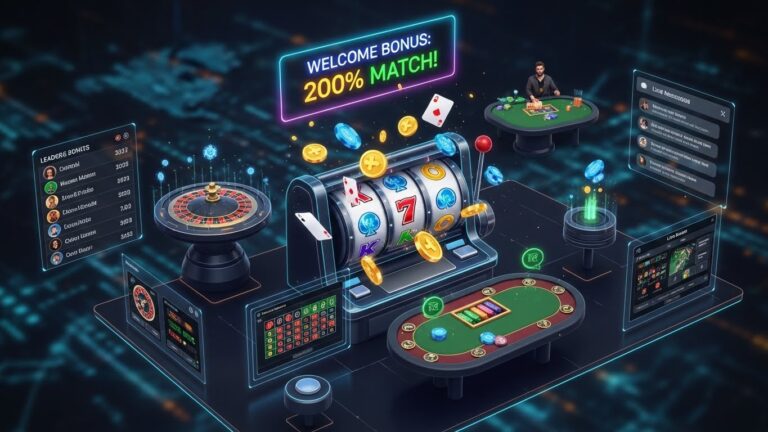

Introduction: The Rise of iGaming
In the last decade, iGaming has transformed from a niche digital hobby into a global phenomenon that spans online casinos, poker, sports betting, and interactive gaming platforms. The term iGaming refers to digital gambling and gaming activities, and its growth has been fueled by advances in technology, internet accessibility, and innovative game design.
Today, millions of users engage in iGaming daily, seeking entertainment, competition, and social interaction. What sets iGaming apart is its ability to merge convenience, immersive experiences, and cutting-edge technology to provide a seamless entertainment ecosystem. This blog explores the growth of iGaming, the technology behind it, emerging trends, regulatory aspects, and the future of this digital entertainment revolution.
The Origins of iGaming
iGaming began with simple online platforms offering games like blackjack, poker, and slot machines. Early platforms had basic graphics, limited interactivity, and small user communities. Despite these limitations, they laid the foundation for a digital gaming culture.
The real transformation began with faster internet connections and more powerful devices. This allowed developers to enhance graphics, introduce dynamic gameplay, and improve accessibility. Mobile devices played a crucial role in democratizing iGaming. Players could now access games anytime and anywhere, expanding the audience far beyond traditional desktop users.
Over time, game mechanics became more sophisticated. Platforms incorporated gamification, rewards, leaderboards, and social interactions to engage users. What started as a simple pastime has now evolved into an entertainment ecosystem where strategy, engagement, and innovation converge.
Technological Drivers of iGaming
iGaming’s growth is fueled by several key technologies that enhance gameplay, security, and user experience.
Artificial Intelligence and Machine Learning
Artificial intelligence is revolutionizing the iGaming industry. AI algorithms analyze player behavior, recommend games, and optimize in-game experiences. Personalized game suggestions, adaptive difficulty, and dynamic reward systems are powered by AI.
Machine learning also strengthens security by detecting fraudulent activity and ensuring fair play. This transparency builds trust and creates a safer gaming environment for users worldwide.
Blockchain and Digital Security
Blockchain technology is increasingly integrated into iGaming. It offers provably fair gameplay, secure transactions, and tamper-proof records. Players can trust that outcomes are transparent, and financial transactions are safe. Cryptocurrencies and digital wallets also facilitate instant deposits and withdrawals, enhancing convenience and privacy for players.
Virtual Reality and Augmented Reality
Virtual reality brings fully immersive gaming experiences, allowing players to interact with digital environments in a realistic way. Virtual casinos, for example, replicate the atmosphere of physical casinos with avatars, real-time dealers, and interactive tables.
Augmented reality overlays digital elements onto the real world, creating unique hybrid gaming experiences. Both VR and AR are still evolving but are expected to play a major role in iGaming’s future.
Cloud Gaming
Cloud technology has removed the need for high-performance hardware. Games are processed on remote servers and streamed to players’ devices, ensuring smooth gameplay with low latency. This technology is particularly important for mobile iGaming, where device performance can vary widely.
The Mobile Gaming Revolution
Mobile devices now dominate iGaming. More than half of online gaming activity occurs on smartphones or tablets. The shift to mobile-first gaming has forced developers to optimize interfaces, controls, and graphics for smaller screens without compromising user experience.
Mobile gaming’s convenience attracts diverse demographics, from younger audiences familiar with touch devices to older players who value accessibility. Mobile-first platforms also allow developers to experiment with innovative formats, including instant-play games and microgaming experiences that can be enjoyed anywhere.
Social Interaction in iGaming
iGaming is increasingly social. Multiplayer games, live tournaments, chat features, and leaderboards allow players to interact, compete, and collaborate. Social engagement enhances retention and creates a sense of community within digital platforms.
Live-dealer games, where players interact with real dealers in real time, bring human connection to the digital space. Community events, challenges, and social rewards further strengthen engagement, making iGaming not just an individual activity but a shared digital experience.
Regulation and Responsible Gaming
As iGaming grows, regulation becomes essential. Licensing authorities and regulatory bodies enforce strict standards for fair play, secure transactions, and ethical marketing. Regulations protect players and ensure industry credibility.
Responsible gaming is another key focus. Platforms now offer self-exclusion tools, spending limits, and time restrictions. These measures help players maintain control and prevent harmful gaming behaviors. Transparency in gameplay, odds, and financial transactions also builds trust and confidence among users.
Content Innovation in iGaming
Content diversity drives iGaming’s appeal. Developers continuously create new themes, stories, and mechanics to captivate players. Modern games feature cinematic graphics, immersive soundtracks, and interactive narratives, providing an experience beyond traditional gambling.
Personalization is a key element. AI algorithms analyze player behavior to recommend games suited to individual preferences. Tailored experiences increase engagement, prolong gameplay, and encourage loyalty.
Esports and Competitive iGaming
Esports has become a central element of digital entertainment, and its integration into iGaming has expanded the industry. Competitive tournaments, ranked matches, and skill-based challenges attract players seeking recognition and rewards.
Esports enhances the social dimension, allowing players to form teams, build rivalries, and participate in competitive communities. This intersection of gaming and competition creates a dynamic ecosystem where skill, strategy, and social interaction drive engagement.
Emerging Trends in iGaming
Several trends are shaping iGaming’s future:
Hyper-Personalization: AI-driven personalization ensures games match individual preferences, from difficulty levels to content selection.
Advanced Security Measures: Biometric authentication, encryption, and behavioral analytics protect player data and maintain trust.
Immersive Experiences: Virtual reality, augmented reality, and cloud gaming converge to provide lifelike, interactive environments.
Global Expansion: Increasing internet accessibility worldwide opens new markets, fostering cultural diversity and fresh content ideas.
Gamification and Rewards: Innovative reward systems and game mechanics enhance engagement and loyalty, transforming gameplay into a dynamic experience.
Challenges in the iGaming Industry
Despite rapid growth, iGaming faces several challenges. Regulatory compliance varies across regions, making global operations complex. Security threats, including cyberattacks and fraud, require continuous vigilance. Competition among platforms also drives the need for innovation and player retention strategies.
Balancing entertainment with responsibility is critical. Platforms must offer engaging experiences without encouraging addictive behaviors. Transparent operations, ethical marketing, and strong player support are essential to long-term success.
The Future of iGaming
The future of iGaming is bright, driven by technology, creativity, and global participation. AI, VR, AR, blockchain, and cloud technologies will continue to shape gameplay and user experiences. Mobile-first approaches and social gaming features will further enhance accessibility and engagement.
Esports integration will attract competitive players and build strong digital communities. Global expansion will introduce new audiences and cultural influences, leading to innovative games and broader participation. Platforms that combine technological innovation, security, and responsible gaming will lead the next wave of growth.
Conclusion: iGaming as a Cultural Phenomenon
iGaming has evolved into a multifaceted entertainment ecosystem that combines technology, creativity, and social interaction. From mobile gaming to virtual reality, AI-driven personalization, and esports, the industry offers an engaging and immersive experience for millions of users.
As the industry grows, it continues to balance innovation with responsibility, ensuring safe, fair, and enjoyable gaming experiences. iGaming is more than a pastime—it is a global digital culture, shaping how people play, connect, and engage with entertainment in the 21st century.
With continuous technological advancement, expanding global participation, and a focus on social and interactive experiences, iGaming is poised to remain at the forefront of digital entertainment for years to come.
About the Author