Introduction: The Rise of iGaming
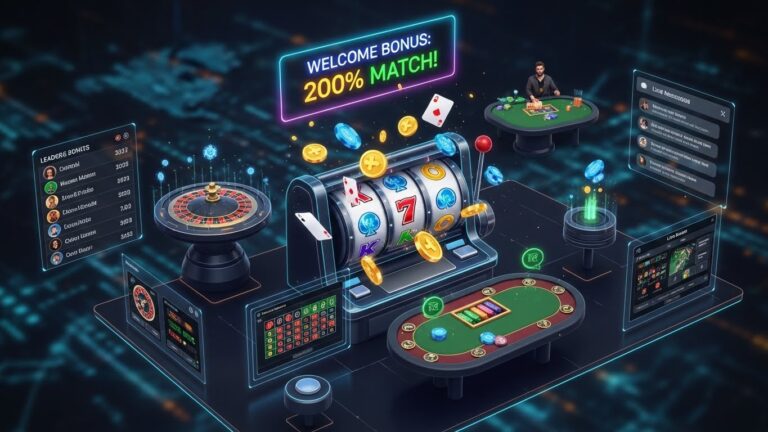
iGaming, the world of online interactive gaming, has transformed the way people engage with digital entertainment. From online casinos and poker platforms to fantasy sports and skill-based games, iGaming offers convenience, excitement, and accessibility that traditional gaming formats cannot match. Millions of players across the globe now enjoy interactive entertainment from the comfort of their homes or on the go. The growth of iGaming is driven by technological innovations, secure payment systems, and mobile accessibility, making it one of the fastest-growing sectors in digital entertainment. Beyond entertainment, iGaming also integrates strategy, skill, and social interaction, appealing to a diverse audience of players worldwide.
The Evolution of iGaming
The roots of iGaming trace back to the early days of the internet. Simple web-based casino games and online poker platforms offered a digital alternative to traditional gambling. As internet speeds improved and web technologies advanced, iGaming became more immersive and interactive. The introduction of live dealer games, real-time multiplayer options, and mobile platforms revolutionized the experience, allowing players to interact with each other and with game environments in real time. Today, iGaming combines advanced graphics, sound effects, and secure technology to create highly engaging digital experiences that rival physical casinos and gaming centers.
Types of iGaming Experiences
iGaming encompasses a wide variety of entertainment experiences. Online casinos are among the most popular, offering slot machines, blackjack, roulette, and poker in digital formats. Sports betting has also become a major segment, allowing players to wager on global sporting events in real time. Fantasy sports platforms engage users by combining strategy, statistics, and competition. Additionally, skill-based games challenge players’ abilities while offering rewards, blending entertainment with personal achievement. This diversity ensures that iGaming caters to both casual players seeking fun and serious gamers looking for competitive and strategic engagement.
Technology Driving iGaming
Technological innovation is the backbone of the iGaming industry. Advanced software platforms power seamless gameplay, secure transactions, and interactive features. Random Number Generators ensure fairness in games of chance, while artificial intelligence and machine learning improve player experiences by personalizing game recommendations and optimizing interfaces. Mobile technology has made iGaming accessible anywhere, enabling players to enjoy interactive entertainment from smartphones and tablets. Virtual reality and augmented reality are also being integrated into iGaming platforms, creating immersive casino and sports experiences that redefine digital play.
The Social Dimension of iGaming
iGaming is more than a solitary experience; it fosters social interaction and community. Multiplayer games, live dealer sessions, and interactive tournaments enable players to connect and compete in real time. Chat features, leaderboards, and community events encourage engagement and build lasting relationships among players. For many, iGaming is a social outlet that combines entertainment with connection, providing opportunities to meet like-minded individuals from across the globe. This social component enhances the gaming experience, making it dynamic and interactive rather than purely transactional.
iGaming and Strategy
Unlike traditional games of chance, many iGaming platforms incorporate elements of skill and strategy. Poker, blackjack, and certain fantasy sports require players to analyze data, predict outcomes, and make informed decisions. Even slot-based games often include bonus rounds or skill challenges that reward strategy alongside luck. This combination of skill and chance appeals to players seeking mental engagement as well as entertainment. By integrating strategy, iGaming stimulates cognitive abilities, decision-making, and planning, transforming digital play into an intellectually engaging experience.
Mobile iGaming: Gaming on the Go
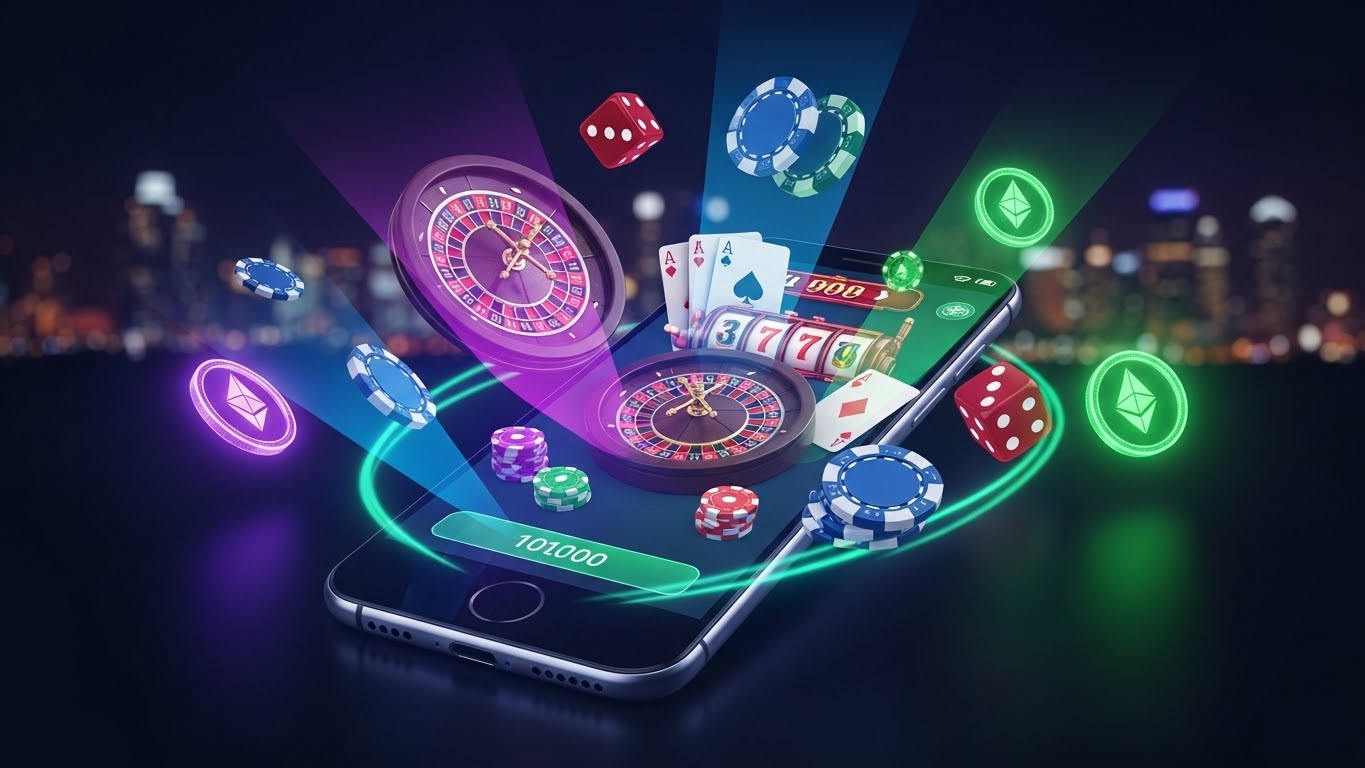
Mobile technology has been a game-changer for iGaming. Players can access their favorite platforms anytime, anywhere, using smartphones or tablets. Mobile apps offer the same functionality as desktop platforms, with optimized interfaces and touch-friendly controls. This portability has expanded the player base significantly, attracting users who may not frequent traditional casinos or gaming centers. Mobile iGaming also allows for on-demand entertainment, making it easy for players to enjoy quick gaming sessions during commutes, breaks, or leisure time.
The Role of Security in iGaming
Trust and security are critical in the iGaming industry. Players need assurance that their data, funds, and gameplay are safe. Modern iGaming platforms implement advanced encryption, secure payment systems, and compliance with regulatory standards to protect users. Responsible gaming tools, such as deposit limits, self-exclusion options, and activity tracking, further enhance player safety. These security measures are essential for maintaining credibility, fostering player confidence, and ensuring a safe and enjoyable gaming environment.
iGaming and Entertainment Culture
iGaming has become a major part of entertainment culture, influencing social trends and media. Streaming platforms feature live gameplay, tutorials, and professional competitions that attract millions of viewers. Influencers and content creators engage audiences by sharing strategies, reviews, and entertainment content centered around iGaming. The rise of eSports-style competitions within iGaming has also contributed to its cultural impact, merging gaming, strategy, and spectator entertainment into a unique digital ecosystem. iGaming now exists not just as a pastime but as a dynamic form of cultural engagement and social entertainment.
The Economics of iGaming
The iGaming industry is a significant economic force, generating billions in revenue annually. It encompasses software development, marketing, affiliate programs, payment processing, and live event coordination. The growth of mobile platforms, online casinos, and sports betting has expanded job opportunities, technological innovation, and digital entrepreneurship. Virtual economies within games allow players to earn, trade, and invest in digital assets, further integrating gaming with real-world economic activity. The financial ecosystem of iGaming demonstrates how entertainment, technology, and commerce can intersect in a rapidly evolving digital environment.
The Future of iGaming
The future of iGaming promises even more immersive and interactive experiences. Artificial intelligence will provide smarter, more personalized gameplay, while virtual reality and augmented reality will create lifelike casino and gaming environments. Blockchain technology is already being explored for secure transactions and digital ownership of in-game assets. The integration of social and competitive elements will continue to enhance engagement, making iGaming more than just a solo experience. With continuous technological advancement and expanding global access, the iGaming industry is poised to redefine digital entertainment for years to come.
Responsible iGaming
As iGaming grows, responsible play becomes increasingly important. Players must manage time, money, and expectations to ensure a safe and enjoyable experience. Reputable platforms provide tools to support responsible gaming, including activity monitoring, deposit limits, and self-exclusion options. Education about risk and strategy also helps players make informed decisions. By promoting responsible iGaming, the industry balances entertainment, engagement, and player welfare, ensuring that digital play remains both fun and safe for all participants.
Conclusion: iGaming as a Transformative Form of Entertainment
iGaming has transformed the landscape of digital entertainment. It combines strategy, chance, social interaction, and technological innovation into immersive experiences accessible from anywhere in the world. From online casinos and poker platforms to fantasy sports and interactive skill games, iGaming caters to a diverse range of players and preferences. Its integration with mobile technology, social platforms, and virtual reality continues to redefine how people play, compete, and connect. By blending entertainment with innovation, strategy, and community, iGaming has become a powerful force in modern digital culture. As the industry continues to evolve, it promises to offer even more engaging, secure, and transformative experiences, shaping the future of entertainment in the digital age.
About the Author