
Introduction
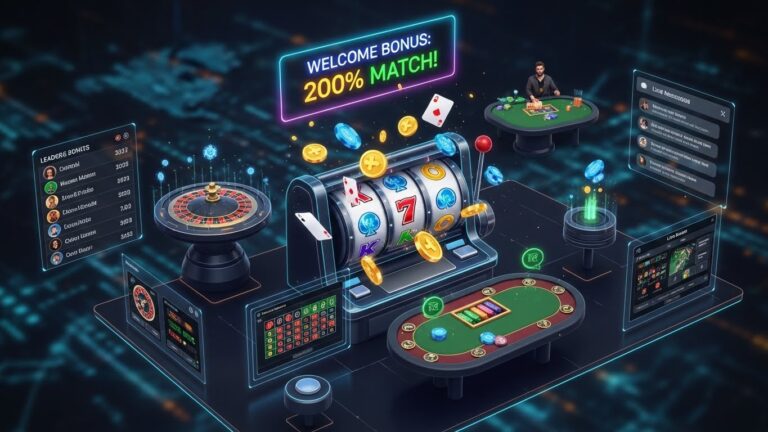
The world of entertainment has experienced a major transformation over the last decade, and at the heart of this revolution lies iGaming—a term that covers online casinos, sports betting, poker, lotteries, and virtual gaming experiences. What was once limited to physical venues is now accessible from anywhere, anytime, thanks to digital technology. iGaming has not only changed how people play but also how they connect, compete, and engage in leisure.
The Rise of iGaming
The rise of iGaming can be traced back to the early days of the internet when online casino platforms first appeared. As technology advanced, internet speeds increased, and smartphones became common, iGaming platforms began offering smoother, faster, and more immersive experiences. Today, millions of players worldwide log in daily to enjoy games that offer both entertainment and the thrill of competition.
This growth has been driven by several key factors—convenience, variety, and innovation. Players no longer need to travel to physical casinos or betting shops; instead, they can participate from their homes or while on the move.
The Technology Behind iGaming
Modern iGaming relies heavily on cutting-edge technology. Advanced graphics engines, artificial intelligence, and secure payment systems create a seamless and safe experience for users. Additionally, blockchain technology has started to influence the industry by ensuring transparency and fairness in transactions and gameplay.
Another major development is the rise of mobile gaming. With powerful smartphones and intuitive applications, mobile iGaming has become one of the fastest-growing sectors in digital entertainment. Developers now design games that adapt perfectly to smaller screens without compromising quality.
The Role of Regulation and Fair Play
As iGaming has expanded, regulations have become essential to maintain integrity and trust. Many countries have introduced licensing systems and responsible gaming policies to protect players and promote transparency. Fair play mechanisms, such as random number generators, ensure that outcomes are unbiased and purely based on chance.
Regulatory frameworks also help in preventing illegal activities and ensure that operators adhere to strict standards of security, privacy, and fairness.
The Social Aspect of iGaming
Contrary to the belief that online gaming isolates individuals, iGaming has created new communities where players can interact, share experiences, and compete. Live dealer games, multiplayer poker rooms, and virtual sports events allow users to connect in real time. This social interaction adds an extra layer of excitement and engagement to the experience.
The Future of iGaming
The future of iGaming looks bright and full of possibilities. Emerging technologies like virtual reality (VR) and augmented reality (AR) are set to take gaming to an entirely new level, allowing players to step into immersive digital worlds. Artificial intelligence will continue to personalize experiences, offering tailored recommendations and improved gameplay.
With global access and innovative designs, iGaming is expected to grow even faster in the coming years. It will not only remain a form of entertainment but also become a central part of the digital lifestyle for millions.
Conclusion
iGaming represents the perfect blend of entertainment, technology, and innovation. From the excitement of live casinos to the strategy of online poker, it continues to captivate audiences across the world. As technology evolves, so will the experiences it offers—more immersive, more social, and more rewarding than ever before.
The journey of iGaming is far from over; in fact, it’s just getting started.
About the Author