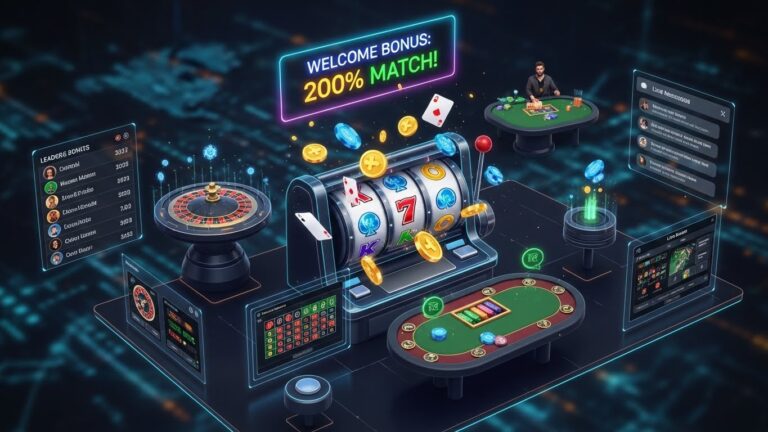

Introduction: The Rise of a Digital Gaming Revolution
In the ever-evolving world of technology, few industries have experienced such explosive growth and innovation as iGaming. From the first online casino platforms of the late 1990s to the immersive, high-definition virtual betting worlds of today, iGaming has transformed how people experience entertainment, competition, and digital interaction. What once began as a simple form of online recreation has now become a global phenomenon, driving billions in revenue and captivating millions of players across the world. The term iGaming encompasses a wide range of activities, including online casinos, poker, sports betting, esports wagering, and virtual slot machines. It represents the fusion of technology, psychology, and entertainment in one dynamic digital ecosystem.
The Birth of iGaming: From Modems to Mobile Screens
The story of iGaming begins in the mid-1990s when internet connectivity was still a luxury and online experiences were limited by slow dial-up connections. Yet even in this early stage, the idea of digital betting caught the attention of both entrepreneurs and enthusiasts. The first online casinos offered simple, pixelated graphics and basic gameplay, but they laid the foundation for an industry that would soon explode.
As internet technology advanced, so did the capabilities of iGaming platforms. The introduction of broadband internet and Flash technology in the early 2000s allowed for richer graphics, faster gameplay, and real-time interaction. Players could now enjoy a virtual casino experience that closely resembled the atmosphere of traditional gambling halls. The rise of mobile devices marked the next major milestone, giving birth to an era where users could place bets or spin a roulette wheel with a single tap on their smartphones.
The Technology Behind iGaming Innovation
Modern iGaming platforms are powered by cutting-edge technology designed to deliver seamless and secure experiences. Game developers now use sophisticated algorithms, high-resolution 3D graphics, and artificial intelligence to create lifelike environments. One of the most important innovations is the use of Random Number Generators (RNGs), which ensure that every outcome in games like slots or roulette is entirely random and fair.
Blockchain technology has also begun to revolutionize iGaming by introducing decentralized payment systems, ensuring transparency and trust. Players can verify transactions instantly, and blockchain-based platforms can reduce fraud while enhancing user privacy. Additionally, artificial intelligence helps personalize gaming experiences by analyzing player behavior and offering customized recommendations.
The integration of virtual and augmented reality is pushing the boundaries even further. Imagine walking through a virtual casino, sitting at a digital poker table, and interacting with real players from around the world—all from the comfort of your home. This level of immersion is rapidly becoming a reality as technology continues to advance.
The Psychology of iGaming: What Makes It So Engaging?
Behind every successful iGaming experience lies a deep understanding of human psychology. Game designers carefully craft every detail—from sounds and visuals to reward systems—to capture attention and encourage participation. The combination of chance, excitement, and instant gratification creates a compelling psychological loop.
The anticipation of winning a jackpot or achieving a milestone activates the brain’s reward system, releasing dopamine, the “feel-good” chemical associated with pleasure and motivation. This reaction encourages players to continue engaging with the platform, seeking the same excitement and satisfaction.
Additionally, the social aspect of iGaming adds another layer of engagement. Multiplayer games, live dealer options, and chat features allow users to connect and compete, creating a sense of community. This combination of entertainment and social interaction helps explain why iGaming has become more than just a pastime—it has evolved into a digital culture.
The Global Expansion of the iGaming Market
Today, iGaming is a multi-billion-dollar global industry that shows no signs of slowing down. Countries across Europe, Asia, and North America have embraced online gaming as a legitimate and highly profitable sector. In Europe, nations such as the United Kingdom and Malta have established comprehensive regulatory frameworks that allow operators to function transparently while ensuring player protection.
In Asia, iGaming has found massive popularity among mobile users, driven by technological adoption and the region’s deep-rooted gaming culture. North America, particularly the United States and Canada, has witnessed rapid growth due to changing legislation that now allows regulated online betting in several states. This legal evolution has opened doors for new investment opportunities and job creation, turning iGaming into a cornerstone of modern digital economies.
The Role of Regulation and Responsible Gaming
While iGaming offers immense entertainment and economic potential, it also raises critical concerns about player safety and addiction. Governments and organizations around the world have recognized the importance of implementing responsible gaming measures to protect users from harmful behavior.
Modern iGaming platforms employ advanced tools that allow players to set deposit limits, self-exclude temporarily, or even receive alerts when their playing patterns suggest problematic behavior. Transparency and fair play are also enforced through strict regulations that require operators to adhere to ethical standards.
The future of iGaming will depend heavily on maintaining this balance between innovation and responsibility. A regulated environment not only safeguards players but also builds trust, ensuring that the industry continues to thrive in a sustainable way.
The Influence of Mobile Gaming and Accessibility
One of the driving forces behind iGaming’s unprecedented growth is mobile technology. With the majority of the global population owning smartphones, iGaming has become accessible anytime and anywhere. Mobile apps and responsive web designs allow players to enjoy a seamless experience without compromising quality or security.
This accessibility has also democratized gaming, attracting a wider demographic beyond traditional casino enthusiasts. Casual players, younger audiences, and even professionals seeking quick entertainment during their breaks now participate in iGaming activities. As mobile networks become faster and more reliable with 5G technology, the possibilities for immersive and instant gameplay continue to expand.
The Future of iGaming: Beyond the Screen
As technology continues to evolve, the boundaries of iGaming will stretch far beyond what we currently imagine. The integration of virtual reality, artificial intelligence, and metaverse technology promises to create experiences that are both realistic and deeply interactive. Players may soon enter shared digital spaces where they can play, socialize, and even build careers within gaming ecosystems.
The use of artificial intelligence will also enhance personalization, allowing systems to adapt in real time to player preferences and emotions. Predictive analytics can help platforms offer responsible guidance while tailoring gameplay to maximize enjoyment and satisfaction.
Another emerging trend is the use of cryptocurrencies and decentralized gaming platforms, which could redefine the way transactions and ownership function in digital entertainment. These innovations suggest a future where transparency, security, and creative freedom will define the next generation of iGaming experiences.
The Social and Cultural Impact of iGaming
Beyond its economic influence, iGaming has significantly reshaped social interactions and digital culture. It has created communities that transcend borders, where people from different countries can engage in shared experiences. Online tournaments, live streaming, and social gaming features have blurred the line between competition and entertainment.
Moreover, the rise of esports betting and skill-based gaming has changed public perception, positioning gaming as a legitimate form of entertainment and even professional pursuit. For many, iGaming is not just a form of recreation but a lifestyle, an avenue for connection, and a symbol of technological progress.
Challenges and Opportunities Ahead
Despite its success, the iGaming industry faces several challenges. Cybersecurity threats, unregulated markets, and ethical concerns about marketing to vulnerable audiences remain pressing issues. Maintaining fairness, preventing fraud, and promoting responsible gaming are crucial for the industry’s long-term credibility.
However, these challenges also create opportunities for innovation. Advanced encryption technologies, AI-based fraud detection, and biometric verification are being developed to make iGaming safer and more trustworthy. As public awareness and regulation improve, the industry’s reputation continues to strengthen.
Conclusion: The Endless Game of Innovation
The journey of iGaming from a niche online experiment to a global powerhouse of digital entertainment is a testament to human creativity and technological advancement. It has redefined how people play, connect, and engage with technology. With continuous innovation in artificial intelligence, virtual reality, and blockchain, the future of iGaming looks brighter than ever.
As society embraces the digital era, iGaming stands as a symbol of how entertainment can evolve alongside technology—dynamic, immersive, and boundless. Whether one sees it as a pastime, a profession, or a cultural movement, iGaming has undeniably become a defining force in the world of modern entertainment.
About the Author