
Introduction
In today’s fast-paced digital world, entertainment has evolved far beyond traditional boundaries. Among the most significant developments in the online entertainment sector is iGaming, a term that encompasses online gambling, casino games, sports betting, poker, and other forms of interactive digital gaming where real money is often involved. The rise of iGaming marks a turning point in how people experience thrill, competition, and recreation. It combines the excitement of gaming with the innovation of technology, creating a multi-billion-dollar industry that continues to expand globally.
This blog explores the evolution, technology, trends, and future of iGaming, highlighting how it has reshaped the digital entertainment landscape and what lies ahead for this rapidly growing industry.
Understanding iGaming
iGaming refers to any form of betting or wagering conducted on the internet. This includes online casinos, poker rooms, sports betting platforms, fantasy sports, bingo, and even lotteries. Unlike traditional gambling, iGaming offers accessibility and convenience, allowing players to engage from anywhere, at any time, through computers, tablets, and smartphones.
The appeal of iGaming lies in its ability to combine risk, reward, and entertainment in one immersive digital experience. Over the past decade, technological advancements have revolutionized this industry, transforming it from a niche online activity into a mainstream form of entertainment enjoyed by millions around the world.
The Evolution of iGaming
The story of iGaming began in the mid-1990s when the internet first became widely available. Early online casinos offered limited games and basic graphics, but they paved the way for what would soon become a global sensation. The first online gambling platforms were simple, yet they introduced the concept of digital wagering, capturing the interest of users who sought a convenient alternative to land-based casinos.
As technology advanced, so did the iGaming experience. The introduction of secure payment gateways, random number generators, and improved software helped establish trust among users. The 2000s saw the expansion of online poker and sports betting, with major tournaments and events being hosted virtually. By the 2010s, mobile gaming had taken center stage, allowing users to play and bet on their favorite games on the go.
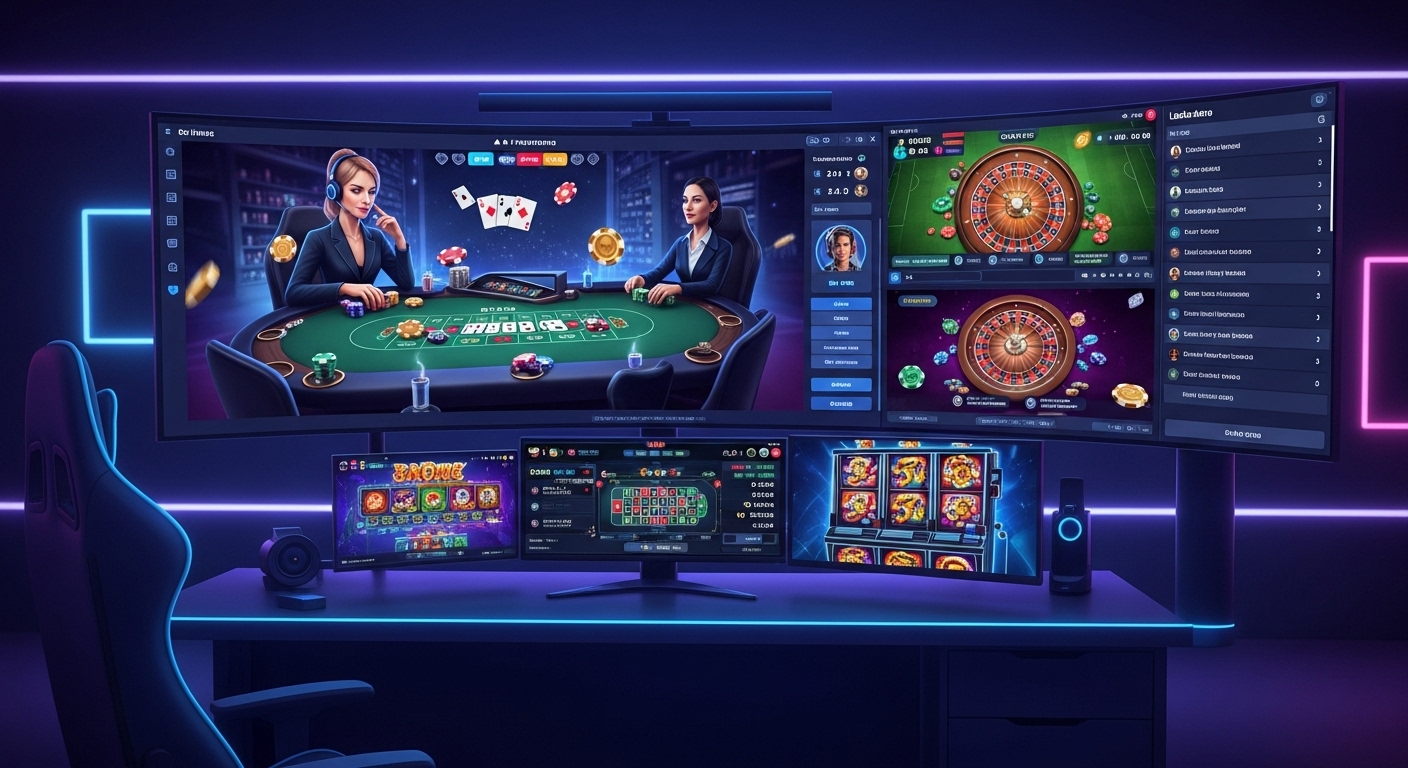
Today, iGaming has evolved into a fully immersive digital ecosystem featuring live dealers, 3D graphics, and even virtual reality gaming. It continues to merge elements of entertainment, technology, and competition, offering players new ways to engage and win.
The Role of Technology in iGaming
Technology is the foundation of the iGaming industry. Every aspect, from the visual interface to transaction security, relies on technological innovation. Several key technologies have played a pivotal role in shaping modern iGaming.
Mobile Gaming Revolution
The widespread use of smartphones has been the single biggest catalyst for the iGaming boom. Mobile compatibility allows players to enjoy their favorite casino games, slots, or sports betting platforms anytime and anywhere. Modern apps provide seamless gameplay with high-definition graphics and intuitive navigation, making mobile gaming the preferred choice for most players.
Blockchain and Cryptocurrency
Blockchain technology has introduced a new level of transparency and security to iGaming. It enables fair play, verifiable outcomes, and secure transactions. Many platforms now accept cryptocurrencies such as Bitcoin and Ethereum, offering faster payouts and enhanced privacy. This shift towards decentralized systems has made the gaming experience more trustworthy and efficient.
Artificial Intelligence and Machine Learning
Artificial intelligence (AI) has become an integral part of the iGaming experience. AI algorithms personalize gameplay, recommend new games, and detect fraudulent behavior. Machine learning models also help companies understand player preferences, allowing them to tailor promotions and loyalty programs that enhance user engagement.
Virtual and Augmented Reality
The introduction of virtual reality (VR) and augmented reality (AR) has transformed online gaming into an immersive experience. VR casinos allow players to walk through virtual rooms, interact with dealers, and engage with other players, recreating the atmosphere of physical casinos from the comfort of home.
The Growth of iGaming Worldwide
The iGaming industry has experienced explosive growth across different regions of the world. Europe has long been the leading market, supported by clear regulations and widespread acceptance. Countries like the United Kingdom, Malta, and Sweden have become major hubs for iGaming companies.
North America, particularly the United States, is witnessing rapid expansion as more states legalize online betting and casinos. In Asia, markets such as the Philippines and India are showing immense potential, fueled by growing internet penetration and mobile adoption. Africa and Latin America are also emerging as promising markets due to technological advancements and relaxed gaming regulations.
According to industry estimates, the global iGaming market is projected to surpass hundreds of billions of dollars in the coming years. The continuous introduction of innovative gaming formats and payment solutions is expected to fuel this upward trend.
Popular Segments of iGaming
iGaming is not limited to one type of activity. It encompasses a diverse range of segments that cater to different player preferences.
Online Casinos
Online casinos remain the backbone of the iGaming industry. They offer classic games such as blackjack, roulette, baccarat, and slots, all enhanced with high-quality visuals and sound effects. The inclusion of live dealer games has further bridged the gap between digital and real-world experiences.
Sports Betting
Sports betting has gained incredible popularity, especially with the integration of real-time data and live streaming. Bettors can wager on sports events from football and cricket to e-sports and horse racing. The introduction of in-play betting has made sports wagering more interactive and engaging.
Online Poker
Online poker platforms allow players to compete globally, participate in tournaments, and improve their skills. The social and strategic elements of poker have helped sustain its appeal among both casual and professional players.
Fantasy Sports and eSports Betting
Fantasy sports and eSports betting are two of the newest and fastest-growing segments. They combine entertainment, skill, and competition, attracting younger demographics who enjoy digital and interactive forms of engagement.
The Importance of Responsible Gaming
As iGaming continues to grow, the issue of responsible gaming has become increasingly important. The ease of access to online betting platforms can sometimes lead to addiction or irresponsible spending.
Responsible gaming initiatives focus on promoting healthy gaming habits, offering tools such as deposit limits, time restrictions, and self-exclusion options. Governments and gaming companies are working together to ensure that users enjoy iGaming responsibly, without facing financial or emotional harm.
The Economic Impact of iGaming
The iGaming industry has a significant impact on global economies. It generates billions in revenue, creates thousands of jobs, and contributes to tax income for governments. Additionally, iGaming companies invest heavily in technology, cybersecurity, and marketing, driving innovation in related sectors such as fintech and software development.
Many countries have recognized iGaming as a legitimate source of economic growth and are creating regulatory frameworks to support its expansion while ensuring player protection. This balance between regulation and innovation is key to sustaining long-term industry growth.
Challenges Facing the iGaming Industry
Despite its rapid growth, the iGaming industry faces several challenges. Regulatory differences across countries make it difficult for companies to operate globally. Cybersecurity threats remain a concern due to the high volume of financial transactions. Additionally, competition is fierce, requiring companies to constantly innovate to attract and retain players.
Maintaining player trust, ensuring data privacy, and preventing problem gambling are ongoing challenges that shape the industry’s direction. However, with continuous technological improvement and responsible practices, these challenges can be effectively managed.
The Future of iGaming
The future of iGaming looks bright and full of potential. As technologies such as artificial intelligence, blockchain, and virtual reality continue to advance, the boundaries of digital gaming will expand even further.
We can expect more personalized gaming experiences, enhanced player protection, and faster payment solutions. The integration of cross-platform play, social gaming elements, and metaverse experiences will redefine how users interact with online entertainment. Moreover, as regulatory frameworks mature, the industry will gain greater legitimacy and wider acceptance worldwide.
In the coming decade, iGaming is likely to become an essential part of the global entertainment landscape, blending the thrill of gaming with the power of technology in ways that continue to captivate millions.
Conclusion
iGaming is more than just a digital version of traditional gambling—it is a reflection of how entertainment evolves with technology. From its humble beginnings in the early internet era to becoming a global powerhouse, iGaming has reshaped the way people play, compete, and connect.
Its fusion of innovation, accessibility, and excitement continues to attract new audiences every day. As technology advances and regulations become more structured, iGaming will undoubtedly remain at the forefront of the digital entertainment revolution, offering endless possibilities for both players and creators.
The journey of iGaming has only just begun, and its future promises to be as dynamic and thrilling as the games themselves.
About the Author