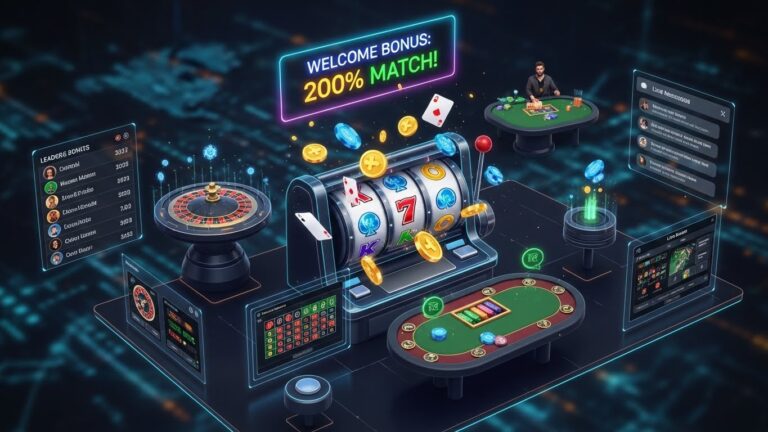

The world of iGaming has rapidly evolved from a niche concept into one of the most dynamic and profitable sectors in the global entertainment industry. Over the past two decades, iGaming has transformed how people play, bet, and interact with games online. This sector encompasses everything from online casinos and poker rooms to sports betting and virtual gaming platforms. Its success lies not only in technological innovation but also in its ability to adapt to new trends, devices, and user preferences. The rise of iGaming has reshaped entertainment, economy, and culture in ways that continue to expand with each passing year.
The Origins of iGaming
The concept of iGaming dates back to the mid-1990s when the internet began reaching households worldwide. The first online casinos were launched in 1994, following the development of secure online payment systems and basic digital interfaces. These early platforms offered a limited selection of games such as roulette, blackjack, and slot machines, designed primarily for computer users with dial-up connections.
Although the graphics and gameplay of early iGaming experiences were simple, they captured public interest by providing an entirely new way to gamble without visiting physical casinos. The convenience and accessibility of iGaming marked the beginning of a technological revolution in gambling and digital entertainment.
As the internet evolved, so did iGaming. The introduction of faster connections, improved security, and advanced software allowed companies to create more immersive and interactive experiences. By the early 2000s, online poker and sports betting began dominating the digital gambling scene, attracting millions of users worldwide.
The Growth and Global Expansion of iGaming
Over the years, iGaming has grown into a global phenomenon. Technological advancements, such as mobile connectivity, digital payments, and high-speed internet, have made online gaming accessible to a wider audience. The global market is now worth billions of dollars annually, with millions of players engaging daily across various platforms.
Several factors contributed to this explosive growth. First, the convenience of playing from home attracted users who preferred a private and flexible gaming environment. Second, the variety of available games expanded, offering everything from traditional casino titles to modern digital experiences with live dealers and virtual environments.
Additionally, governments and regulators in many regions recognized the economic potential of the iGaming industry, introducing licensing and tax systems to promote responsible growth. This shift helped legitimize the industry and attracted major investors and developers. Today, iGaming platforms operate across continents, catering to diverse audiences with localized content, languages, and payment systems.
Technology Driving the iGaming Revolution
Technology lies at the heart of the iGaming industry’s evolution. Every major innovation in digital technology has contributed to making online gaming faster, safer, and more engaging. Modern iGaming platforms combine complex software, artificial intelligence, and high-quality graphics to deliver seamless user experiences.
1. Advanced Software and Game Engines
Modern iGaming relies heavily on sophisticated software that ensures fairness, performance, and reliability. Random Number Generators (RNGs) guarantee the integrity of casino games, while advanced engines render realistic animations, physics, and sound effects. These technologies create an immersive environment that mirrors the excitement of physical gaming venues.
2. Mobile Gaming
The rise of smartphones has been one of the most significant developments in iGaming. Mobile apps and responsive websites have enabled players to enjoy their favorite games anywhere and anytime. Mobile optimization also introduced features like touch-screen interfaces, quick deposit options, and one-click betting, enhancing convenience and user engagement.
3. Live Streaming and Interactive Gaming
Live dealer games have revolutionized the online casino experience by combining real-time streaming with interactive technology. Players can interact with live hosts and other participants, recreating the social atmosphere of a physical casino. High-definition cameras, low-latency connections, and chat functionalities make these experiences engaging and authentic.
4. Artificial Intelligence and Personalization
Artificial intelligence has become a cornerstone of iGaming development. AI systems analyze player behavior, preferences, and activity to deliver personalized experiences. They recommend games, offer tailored promotions, and help detect fraud or suspicious activity. AI also powers chatbots for customer support, providing instant assistance to users.
5. Blockchain and Cryptocurrency Integration
The introduction of blockchain technology and cryptocurrencies has introduced new levels of transparency and security to iGaming. Blockchain ensures fair play by recording all transactions and results in tamper-proof ledgers. Cryptocurrencies like Bitcoin and Ethereum have become popular payment options for players seeking faster and more private transactions.
The Variety of Games in iGaming
One of iGaming’s greatest strengths is its vast and diverse catalog of games. From traditional casino classics to innovative new genres, the industry offers entertainment for every type of player.
Casino Games
Online casinos feature an extensive collection of games, including slots, blackjack, roulette, baccarat, and poker. Modern slot machines come with rich graphics, storylines, and bonus features, appealing to both casual and experienced players. Table games replicate the thrill of real casinos, with virtual and live dealer options offering an authentic experience.
Sports Betting
Sports betting has become a dominant segment within iGaming. Players can wager on a wide range of sports, from football and basketball to horse racing and esports. Real-time betting, live odds, and analytics tools allow users to make informed decisions during matches.
Esports Betting
The rise of competitive gaming has given birth to esports betting, where players wager on professional gaming tournaments. Titles such as “Counter-Strike,” “League of Legends,” and “Dota 2” attract millions of viewers, making esports a major player in the global iGaming market.
Lottery and Bingo
Digital versions of lottery and bingo have maintained popularity due to their simplicity and social nature. Online platforms often include chat rooms and communities, replicating the interactive fun of traditional bingo halls.
Virtual and Fantasy Games
Virtual sports and fantasy leagues offer players simulated versions of real-world events. Players can manage virtual teams, make predictions, and compete with others, blending gaming with strategic thinking.
The Role of Regulation and Licensing
The regulation of iGaming has been crucial to its growth and legitimacy. In its early years, the industry operated with minimal oversight, leading to concerns about fairness and player protection. As iGaming expanded, governments and organizations introduced licensing frameworks to ensure transparency, safety, and accountability.
Licensed operators must adhere to strict rules regarding game fairness, data protection, responsible gambling, and anti-money laundering practices. Regulatory authorities regularly audit software and systems to maintain integrity. This structure helps build trust between players and operators while maintaining ethical standards across the industry.
Different countries have developed their own legal approaches to iGaming. Some have embraced it fully, while others maintain stricter controls. The most successful markets are those that balance player freedom with responsible oversight, creating an environment that encourages growth and innovation.
Responsible Gaming and Player Protection
As the iGaming industry grows, so does its responsibility to protect players. Responsible gaming initiatives aim to ensure that gambling remains a form of entertainment rather than a source of harm.
Operators implement tools that allow players to set deposit limits, time restrictions, and self-exclusion options. Awareness campaigns educate players about the risks of problem gambling and promote moderation. Artificial intelligence systems can detect problematic behaviors early, triggering alerts or interventions.
Many iGaming companies also partner with organizations that provide support for individuals affected by gambling addiction. By prioritizing safety and well-being, the industry strengthens its reputation and ensures sustainable growth.
The Economic Impact of iGaming
The iGaming industry has become a significant contributor to global economies. It generates billions in revenue annually and provides thousands of jobs in technology, customer service, design, and marketing. Additionally, licensing fees and taxes collected from operators support public services, infrastructure, and social programs.
Investment in iGaming also drives innovation in related industries. Software development, cybersecurity, digital payment solutions, and live-streaming technologies all benefit from the sector’s rapid growth. In many regions, iGaming has become a pillar of the digital economy, supporting both local and international businesses.
Social and Cultural Influence of iGaming
Beyond its economic impact, iGaming has influenced culture and society. It has changed how people perceive gambling, transforming it from an exclusive activity into a digital form of entertainment accessible to all. The social aspect of iGaming—through chat features, multiplayer games, and live interactions—has fostered a sense of community among players worldwide.
Streaming platforms and influencers have further amplified iGaming’s cultural reach. Players share experiences, strategies, and content, contributing to a growing global fanbase. This community-driven engagement mirrors trends in video gaming and social media, where interaction and shared experiences drive participation.
Challenges Facing the iGaming Industry
Despite its success, iGaming faces challenges that must be addressed to ensure continued growth and sustainability.
Regulatory Complexity
The patchwork of international laws creates operational difficulties for global iGaming companies. Navigating different tax structures, advertising restrictions, and licensing requirements requires significant investment and expertise.
Cybersecurity Threats
As with any online industry, iGaming platforms are targets for cyberattacks. Protecting user data, financial transactions, and game integrity is an ongoing challenge that demands robust security measures.
Market Saturation
The increasing number of iGaming operators has led to fierce competition. To stand out, companies must focus on innovation, user experience, and brand trust.
Public Perception
Despite growing legitimacy, some negative perceptions of online gambling persist. Ongoing efforts in responsible gaming and transparency are essential to changing these attitudes.
The Future of iGaming
The future of iGaming is bright, driven by emerging technologies and shifting consumer habits. Virtual reality and augmented reality promise to create even more immersive gaming experiences. Players will soon step into virtual casinos and sports arenas, interacting with others in lifelike digital spaces.
Artificial intelligence will continue to enhance personalization, making each user’s experience unique. Blockchain will further improve transparency and decentralization, while cryptocurrencies will simplify global transactions. Cloud gaming and 5G networks will reduce latency, enabling smoother and more accessible gaming experiences across devices.
Esports and live gaming will likely merge further with iGaming, creating hybrid forms of entertainment that blend competition, gambling, and social interaction. The line between traditional gaming and gambling will continue to blur as technology evolves.
Conclusion: iGaming as the Future of Digital Entertainment
iGaming has come a long way from its humble beginnings in the 1990s. It now stands as one of the most innovative and influential industries in the digital world. Combining technology, entertainment, and social interaction, iGaming offers experiences that cater to every type of player.
Its success lies in its ability to evolve—embracing new technologies, adapting to regulations, and prioritizing player experience. As the world becomes increasingly digital, iGaming represents the next stage of interactive entertainment, where the thrill of play meets the power of technology.
With continued innovation, responsible development, and global collaboration, iGaming is poised to shape the future of both gaming and online entertainment for generations to come.
About the Author