Introduction: The Rise of a Digital Entertainment Empire
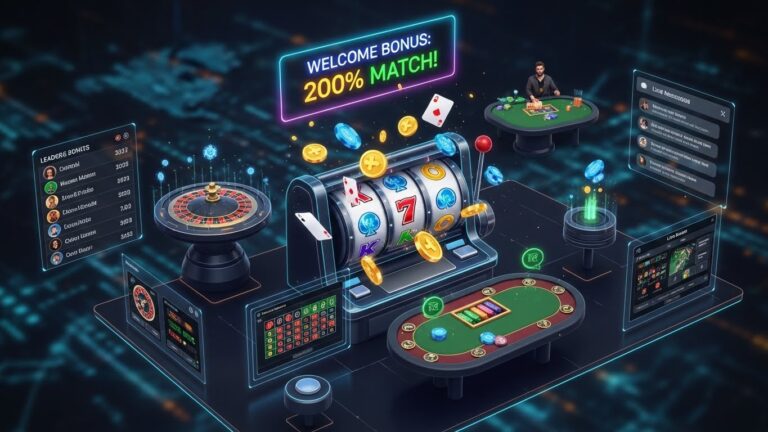
Over the last two decades, the gaming landscape has undergone a remarkable transformation. What once required physical casinos, bookmakers, or land-based slot machines has now evolved into an interconnected digital ecosystem known as iGaming. This term, short for interactive gaming, encompasses all forms of online wagering — from sports betting and casino games to live dealer experiences and virtual reality gambling. Today, iGaming is not just an industry; it’s a cultural and technological phenomenon shaping how millions of people experience entertainment, competition, and community online.
What is iGaming?
At its core, iGaming refers to betting or playing games of chance for money through an online platform. While this includes classic casino games such as blackjack, roulette, and poker, it has expanded to cover esports betting, fantasy sports, online lotteries, and even skill-based games with monetary rewards. The iGaming industry thrives on the intersection of technology, psychology, and entertainment, offering an accessible and immersive experience to players across the globe.
The Evolution of iGaming: From Flash Casinos to Blockchain Gaming
The story of iGaming begins in the mid-1990s, when the first online casinos emerged after the passing of the Free Trade and Processing Act in Antigua and Barbuda. This law allowed companies to apply for licenses to operate online casinos, marking the start of a new era. Early online casinos were basic, running on rudimentary graphics and slow connections, but they represented a revolutionary idea: that anyone, anywhere, could play for real money without stepping into a casino.
The 2000s saw major improvements with the introduction of Flash-based gaming, which allowed smoother animations and more realistic gameplay. Soon after, mobile technology changed everything. The smartphone revolution made online gambling portable, allowing users to play slots, blackjack, or place bets from anywhere. Developers optimized games for smaller screens, and operators launched mobile apps with responsive designs and secure payment systems.
The next frontier came with live dealer games, where players could interact with real human dealers through HD streaming. This innovation bridged the gap between virtual and physical casinos, offering the authenticity of real-world gambling combined with the convenience of online play.
More recently, the integration of blockchain technology and cryptocurrencies has introduced transparency and decentralization. Blockchain-based casinos allow players to verify fairness through smart contracts, while cryptocurrencies enable fast, secure, and anonymous transactions. This evolution shows that iGaming continues to adapt to emerging technologies to stay relevant and engaging.
Key Segments of the iGaming Industry
The iGaming market is vast, and its growth is driven by several distinct sectors. Understanding these segments reveals how diverse and multifaceted this industry has become.
Online Casinos
Online casinos remain the cornerstone of the iGaming industry. Players can enjoy digital versions of slots, table games, and progressive jackpots with interactive interfaces and stunning visuals. Software providers like Microgaming, NetEnt, and Playtech have developed sophisticated gaming engines that simulate the excitement of physical casinos while introducing unique features such as bonus rounds, mini-games, and multi-level jackpots.
Sports Betting
Sports betting has evolved from simple wagers on match outcomes to a global data-driven marketplace. Modern platforms allow users to bet in real time, analyze team statistics, and use predictive analytics to make informed decisions. The legalization of online sports betting in several major markets has also opened new opportunities for operators, sponsors, and even sports leagues.
Poker and Card Games
Online poker remains a favorite among competitive players. From Texas Hold’em tournaments to fast-fold poker variants, digital poker rooms combine skill, psychology, and strategy. The social aspect of poker also translates well online, as players can interact via chat and compete in global tournaments with massive prize pools.
Esports Betting
One of the fastest-growing segments in iGaming is esports betting. As competitive gaming has become a billion-dollar industry, millions of fans now wager on outcomes of popular games such as League of Legends, Counter-Strike, and Dota 2. Esports betting attracts younger audiences who grew up with gaming and are comfortable navigating online ecosystems.
Virtual and Fantasy Sports
Fantasy sports platforms allow users to create virtual teams based on real athletes and compete for prizes based on actual performance data. This blend of strategy and fandom keeps users engaged across entire seasons, while virtual sports simulate live events using computer-generated outcomes, providing constant betting opportunities even when real sports are off-season.
Technology Driving iGaming Innovation
The iGaming industry’s success relies heavily on technology. Developers and operators continually adopt cutting-edge tools to enhance user experience, ensure fairness, and maintain security.
Artificial Intelligence and Machine Learning
AI plays a major role in personalization and responsible gaming. Algorithms analyze player behavior to recommend suitable games, detect problem gambling patterns, and provide tailored bonuses. Machine learning models also optimize backend operations, predict trends, and improve customer support through intelligent chatbots.
Blockchain and Cryptocurrency
Blockchain technology has introduced provably fair gaming systems, ensuring every spin, card draw, or roll of dice is verifiable and tamper-proof. Cryptocurrencies offer fast, borderless payments and attract privacy-focused users. This integration is especially appealing in regions where banking restrictions limit access to traditional payment methods.
Virtual Reality and Augmented Reality
VR and AR technologies promise to revolutionize immersion. Imagine walking through a 3D casino, interacting with dealers and players, and experiencing lifelike sound and visuals — all from home. While VR gaming is still developing, several iGaming platforms are already experimenting with virtual poker rooms and immersive slot environments.
Cloud Gaming
Cloud-based platforms eliminate hardware limitations by streaming games directly to users’ devices. This approach allows instant access without downloads and ensures seamless updates, making it easier for operators to scale their services and maintain performance consistency across multiple regions.
Regulation and Licensing in iGaming
Because iGaming involves real money, regulation is essential to ensure fairness, transparency, and player protection. Licensing authorities such as the Malta Gaming Authority, the UK Gambling Commission, and the Gibraltar Regulatory Authority set strict standards for compliance, anti-money laundering measures, and responsible gambling practices.
These regulators require operators to maintain fair RNG (Random Number Generator) systems, safeguard user data, and implement tools for self-exclusion and deposit limits. Regions such as Europe, North America, and parts of Asia have adopted varied regulatory approaches, balancing consumer protection with economic opportunity.
While some countries embrace iGaming as a legitimate industry that contributes to tax revenues and job creation, others still impose restrictions due to ethical or social concerns. Nonetheless, the global trend leans toward legalization and regulation rather than prohibition.
The Importance of Responsible Gaming
As iGaming becomes more accessible, the need for responsible gaming initiatives has grown significantly. Operators are encouraged to promote healthy gaming behavior by providing players with control tools such as deposit limits, time reminders, and self-exclusion options.
Responsible gaming also involves education. Players should understand odds, risks, and the difference between entertainment and investment. Many platforms now collaborate with mental health organizations to offer support for problem gamblers, ensuring that the industry’s growth does not come at the expense of player well-being.
The Economic Impact of iGaming
The iGaming industry is a major economic driver worldwide. It generates billions in annual revenue, creates thousands of jobs, and contributes significantly to government tax collections. Countries that have embraced regulation, like the United Kingdom and Malta, have seen substantial benefits in both tourism and technology sectors.
Beyond direct employment, iGaming supports a wide ecosystem that includes software development, marketing, cybersecurity, payment processing, and live entertainment. Affiliate marketing, in particular, has flourished, creating a network of reviewers, streamers, and influencers who educate and engage players across digital platforms.
Marketing and Player Engagement
Marketing in iGaming is a sophisticated science built around player engagement, retention, and data analytics. Operators use personalized promotions, loyalty programs, and gamified experiences to build long-term relationships with their users.
Content marketing also plays a vital role. Blogs, tutorials, and video streams inform players and build trust. Many operators host tournaments, seasonal campaigns, and themed events to keep the excitement alive. The integration of social media has transformed marketing into an interactive experience where players can share achievements, participate in community discussions, and connect with others worldwide.
The Role of Software Providers
Software providers are the backbone of the iGaming ecosystem. These companies create the games, engines, and platforms that power online casinos and betting sites. Quality software ensures smooth gameplay, fair outcomes, and visually stunning experiences.
Leading providers compete not only in creativity but also in technology. They develop adaptive designs for multiple devices, integrate AI-based mechanics, and enhance security protocols. Partnerships between operators and developers drive constant innovation, pushing the boundaries of what iGaming can offer.
Payment Systems and Security
One of the defining features of modern iGaming is its advanced payment infrastructure. Players expect secure, fast, and diverse payment options, ranging from credit cards and e-wallets to cryptocurrencies. Operators use encryption technologies, SSL certificates, and two-factor authentication to protect user data and transactions.
The rise of blockchain has added another layer of transparency. With decentralized ledgers, transactions are immutable and traceable, reducing the risk of fraud. As financial technologies evolve, so too will the payment solutions available to iGaming users.
The Social Aspect of iGaming
While iGaming is often viewed as a solitary activity, the reality is quite the opposite. Online gaming communities, live chats, and tournaments have turned it into a deeply social experience. Players from different countries interact, share strategies, and celebrate wins together.
Live dealer games enhance this social dimension by incorporating real-time interaction with professional hosts. Multiplayer games and virtual lounges create digital spaces where players can meet, collaborate, and compete — turning entertainment into shared experience.
Emerging Markets and Global Expansion
The iGaming market is expanding rapidly in emerging economies. Regions such as Latin America, Africa, and Southeast Asia are becoming hotspots for growth, driven by increasing internet penetration, mobile usage, and regulatory reform.
In Africa, for example, mobile-first platforms dominate due to widespread smartphone adoption. Latin America’s sports culture fuels betting enthusiasm, while Asia’s booming tech scene drives innovation in game design and payment integration. As infrastructure improves, these regions are expected to contribute significantly to global iGaming revenues.
Future Trends in iGaming
Looking ahead, the iGaming industry shows no signs of slowing down. Several trends are shaping its future trajectory.
1. Hyper-Personalization: With AI and big data, platforms will tailor content, bonuses, and game recommendations to individual preferences.
2. Virtual Reality Casinos: Full VR environments will replicate the sensory experience of real-world casinos.
3. Skill-Based Games: Younger players prefer games that reward skill and strategy rather than pure chance.
4. Regulatory Convergence: More countries will adopt standardized regulations, making international operations smoother.
5. Sustainability and Ethics: Environmental responsibility and fair play will become key marketing values.
Challenges Facing the iGaming Industry
Despite its success, iGaming faces ongoing challenges. Regulatory complexity remains a major issue, as laws differ across jurisdictions. Operators must navigate strict compliance rules while managing international operations.
Cybersecurity is another concern. With financial transactions and personal data at stake, platforms must constantly upgrade defenses against hackers and fraudsters. Additionally, public perception remains a hurdle, as gambling addiction and ethical concerns continue to provoke debate.
However, the industry’s adaptability ensures that it continues to evolve responsibly, balancing profit with player welfare.
Conclusion: The Future of Digital Entertainment
The iGaming industry stands at the crossroads of technology, entertainment, and innovation. From humble beginnings to a global powerhouse, it has redefined how people engage with games, risk, and reward. With advances in AI, blockchain, and immersive technologies, the boundaries between the real and virtual worlds continue to blur.
As more regions embrace regulation and technology continues to advance, iGaming will not just grow — it will transform. It will evolve into a sophisticated ecosystem that offers secure, responsible, and thrilling experiences for players around the world.
The story of iGaming is far from over. It’s a story of progress, adaptation, and human curiosity — proof that the drive to play, compete, and explore will always find new forms in the digital age.
About the Author