
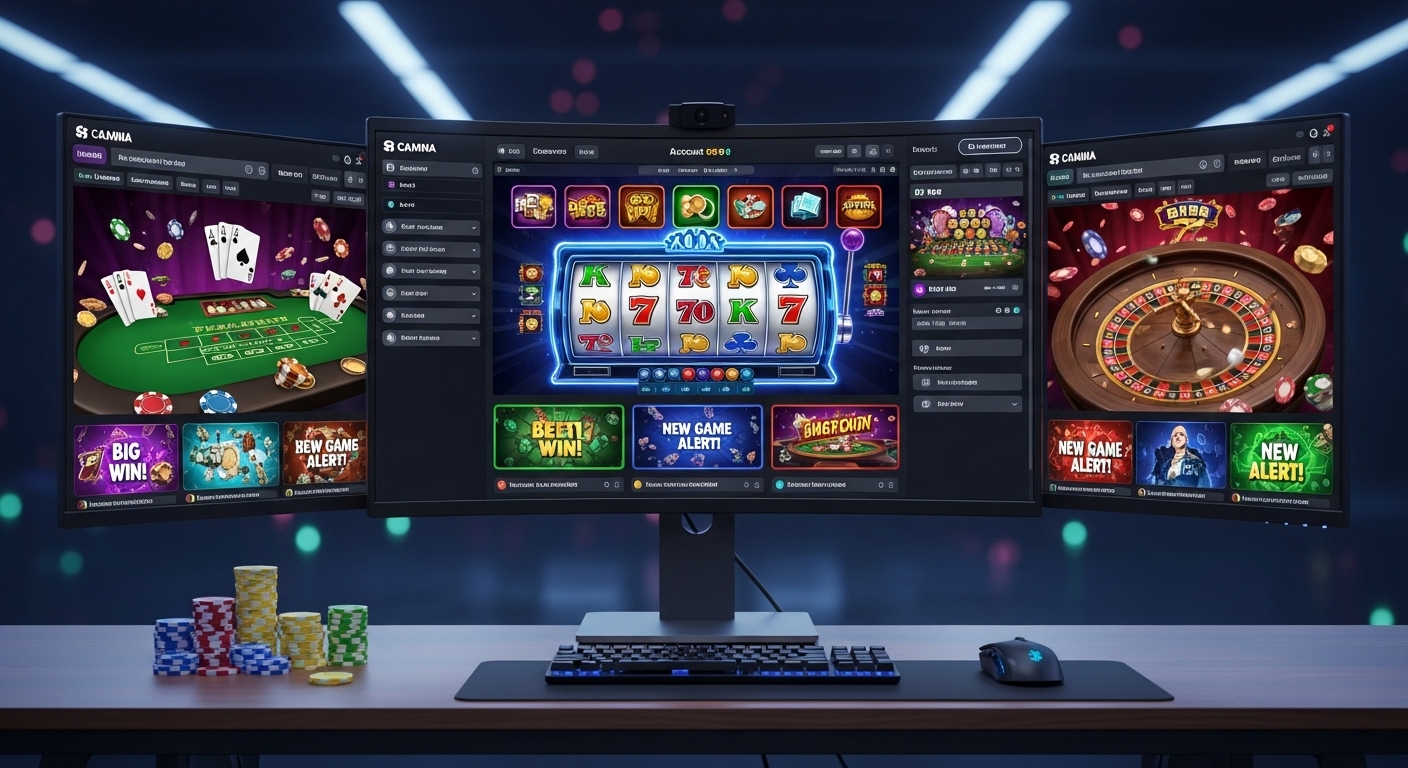
The world of gambling has undergone a remarkable transformation in recent decades, largely driven by the rise of the internet and technological innovations. One of the most notable trends within this shift is the growth of iGaming, or internet gaming, which encompasses all forms of online gambling, from virtual casinos and sports betting to online poker and eSports betting. What was once confined to physical casinos and betting shops has now evolved into a global, digital ecosystem that continues to expand rapidly.
In this blog post, we will explore the rise of iGaming, its impact on the gambling industry, and the future of this exciting, ever-evolving market. From the regulatory challenges to the technological advancements that are reshaping how we gamble, we will provide an in-depth look at the world of iGaming.
What Is iGaming?
iGaming, or internet gaming, refers to the act of gambling over the internet. This can include a wide variety of activities, such as playing online casino games, participating in sports betting, engaging in online poker, or even wagering on virtual sports and eSports. The core element of iGaming is that it allows players to access gambling platforms through their computers, smartphones, or tablets, making gambling more convenient and accessible than ever before.
In its early days, iGaming was limited to simple casino games like blackjack, roulette, and slot machines. However, as the technology evolved, so did the range of games and betting options available. Today, players can enjoy a vast array of gambling experiences, including live dealer games, virtual slot machines, online poker tournaments, and even in-play sports betting, where users can place bets on events as they unfold in real-time.
The Growth of iGaming: A Look at the Numbers
The iGaming industry has experienced exponential growth in recent years. According to various market reports, the global iGaming market was valued at over $50 billion in 2020, with projections suggesting that it could reach upwards of $100 billion by 2025. This growth is fueled by several key factors, including the widespread availability of high-speed internet, advancements in mobile technology, and the increasing acceptance of online gambling by both consumers and regulators.
Mobile devices, in particular, have played a crucial role in the expansion of iGaming. With more people using smartphones and tablets to access the internet, online gambling platforms have adapted to mobile-friendly interfaces, allowing users to gamble on the go. The convenience of being able to access gambling sites from anywhere, at any time, has attracted millions of new players to the iGaming ecosystem.
Additionally, the growing popularity of eSports and the emergence of new forms of betting, such as fantasy sports and virtual sports betting, have further expanded the reach of iGaming, bringing in younger audiences who may not have been traditional gamblers.
Technology and Innovation: How iGaming is Shaping the Future
The evolution of iGaming is closely tied to technological advancements that have transformed the way people experience gambling. Several key innovations are shaping the future of the industry, including:
1. Live Dealer Games
One of the most significant developments in online gambling has been the introduction of live dealer games. Unlike traditional online casino games, where players are interacting with computer-generated outcomes, live dealer games feature real human dealers who manage the game in real-time. Players can watch the game unfold via live video streams, interact with the dealers through chat features, and place their bets as they would in a physical casino.
This immersive experience has been a game-changer for iGaming, allowing online casinos to replicate the atmosphere of a land-based casino while offering the convenience of playing from home. Live dealer games have become particularly popular for table games such as blackjack, roulette, and baccarat.
2. Virtual Reality (VR) Gambling
Virtual reality (VR) has the potential to revolutionize the iGaming industry by creating fully immersive, 3D environments where players can interact with games and other users in real time. By using VR headsets, players can enter a virtual casino or even engage in poker games with other players in a virtual setting.
While VR gambling is still in its infancy, it holds great promise for the future of iGaming, offering a more lifelike and engaging experience than traditional online games. As VR technology becomes more affordable and widespread, we can expect to see an increasing number of iGaming platforms adopting VR features to offer players a truly immersive gambling experience.
3. Blockchain and Cryptocurrency Integration
Blockchain technology and cryptocurrencies have made their mark on the iGaming world, offering benefits such as increased transparency, security, and faster transactions. Many online casinos now accept cryptocurrencies like Bitcoin, Ethereum, and others as payment methods. The use of blockchain ensures that all transactions are recorded on a public ledger, providing transparency and reducing the risk of fraud.
Additionally, blockchain-based casinos are emerging, where all aspects of the gaming experience, from financial transactions to game results, are governed by decentralized smart contracts. These blockchain casinos offer a level of security and fairness that traditional online casinos may struggle to match.
4. Artificial Intelligence (AI)
Artificial intelligence is increasingly being used in iGaming to enhance the user experience and improve operational efficiency. AI algorithms can analyze player behavior and preferences to offer personalized recommendations, bonuses, and promotions. AI can also be used to detect fraudulent activities or problem gambling behaviors, ensuring that online gambling platforms remain safe and responsible.
Moreover, AI is being applied to the development of casino games and betting algorithms, creating more sophisticated and engaging experiences for players. AI-driven games can adapt to a player’s skill level or provide more dynamic outcomes, making the gaming experience more exciting and challenging.
The Impact of iGaming on the Traditional Gambling Industry
The rise of iGaming has had a profound impact on the traditional gambling sector, particularly land-based casinos and betting shops. Online gambling offers numerous advantages over traditional forms of gambling, including convenience, a wider variety of games, and the ability to play from home. As a result, many brick-and-mortar casinos have seen a decline in foot traffic, especially in markets where iGaming is heavily regulated and popular.
However, land-based casinos have not been left behind. Many major casino operators have embraced iGaming by launching their own online platforms, allowing them to capture a share of the growing online gambling market. Some land-based casinos have even introduced live dealer games, where players can interact with real dealers via a live stream, bridging the gap between online and traditional gambling.
In many jurisdictions, there has been a shift toward regulating online gambling to ensure that operators meet legal and safety standards. This has allowed the iGaming industry to operate in a more structured and legitimate manner, encouraging more players to embrace online gambling and providing a source of tax revenue for governments.
Legal and Regulatory Challenges in iGaming
The rapid growth of iGaming has not come without its challenges, particularly in the areas of regulation and legality. The legality of online gambling varies widely from country to country, and in some cases, even within regions of the same country. In many parts of the world, online gambling remains illegal or heavily restricted, with governments and regulators struggling to keep up with the pace of technological innovation.
One of the primary concerns regarding iGaming is ensuring consumer protection. Players must be confident that the sites they are using are fair, secure, and properly licensed. This is particularly important in regions where unlicensed or offshore operators may offer games that are not regulated, putting players at risk of fraud or exploitation.
Another concern is responsible gambling. With the ease of access to online gambling platforms, there is a risk of problem gambling behavior, especially among younger players. Governments and regulators are increasingly focused on implementing measures to promote responsible gambling, such as self-exclusion programs, age verification, and limits on deposits or bets.
The Future of iGaming: What’s Next?
The future of iGaming looks bright, with continued growth and technological advancements shaping the industry. As more countries legalize and regulate online gambling, the global iGaming market will only expand, offering new opportunities for both players and operators. Mobile gaming, in particular, is expected to continue its rapid growth, with more users accessing iGaming platforms via smartphones and tablets.
The integration of emerging technologies like virtual reality, blockchain, and artificial intelligence will further enhance the gaming experience, creating more immersive, secure, and personalized platforms for players. In addition, as the popularity of eSports continues to rise, we can expect to see more opportunities for betting and gaming in the world of competitive video gaming.
Ultimately, the future of iGaming is likely to be defined by innovation, regulation, and a focus on player safety and experience. As the industry evolves, it will continue to challenge traditional notions of gambling and entertainment, providing new ways for people to engage with games and wagers in the digital age.
Conclusion: The Exciting Potential of iGaming
iGaming has come a long way from its humble beginnings, and it shows no signs of slowing down. As technology continues to evolve and regulations adapt, the iGaming industry is poised for even more growth and innovation. For both operators and players, this is an exciting time to be part of the iGaming world. Whether it’s the thrill of live dealer games, the excitement of eSports betting, or the promise of virtual reality gambling, iGaming offers endless possibilities for the future of entertainment and wagering. The digital revolution has transformed the gambling landscape, and we are just getting started.
About the Author