
Introduction
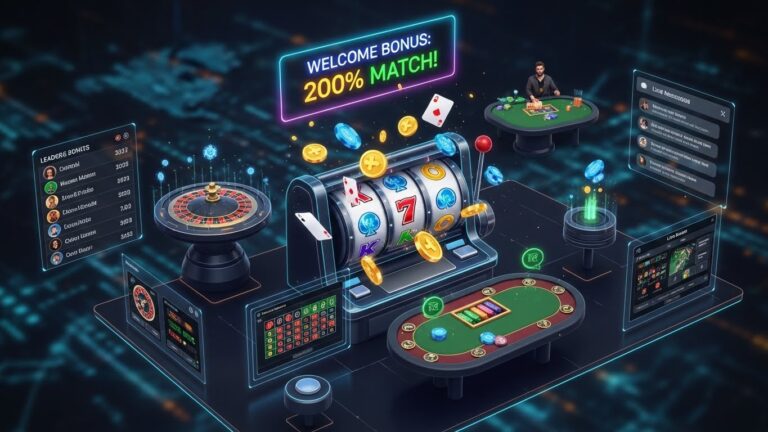
The world of iGaming has exploded in recent years, transforming how people experience gambling and entertainment. iGaming, or interactive gaming, encompasses online casinos, sports betting, poker, bingo, and other digital wagering activities. Unlike traditional casinos, iGaming provides convenience, accessibility, and immersive experiences for players worldwide. The rise of smartphones, high-speed internet, and secure payment systems has made digital gambling an integral part of the entertainment landscape. In this blog, we explore the evolution, technology, social impact, and future of iGaming.
The Evolution of iGaming
The origins of digital gambling can be traced back to the mid-1990s when the first online casinos and poker platforms appeared. Early iGaming was limited by technology and connectivity, but it offered a glimpse into the potential of digital entertainment. These platforms allowed users to play classic casino games such as blackjack, roulette, and slot machines from the comfort of their homes.
As internet speeds improved and mobile devices became ubiquitous, iGaming expanded rapidly. Interactive websites and mobile apps offered real-time gameplay, live dealer experiences, and secure financial transactions. Today, iGaming combines high-quality graphics, advanced algorithms, and global connectivity to provide a fully immersive entertainment experience.
Types of iGaming
iGaming encompasses a variety of formats designed to cater to diverse preferences. Online casinos replicate traditional gambling experiences with slot machines, table games, and progressive jackpots. Live dealer games enhance realism by streaming human dealers in real-time, creating the feeling of being in a physical casino.
Sports betting is another major component of iGaming. Players can place bets on a range of sports, from football and basketball to esports and horse racing. Fantasy sports platforms also offer a mix of skill, strategy, and wagering, allowing players to compete with friends or global participants.
Poker, bingo, and other social games form another segment of iGaming. These games combine strategy, social interaction, and chance, appealing to casual and competitive players alike. The variety of iGaming options ensures there is something for every type of participant.
The Role of Technology in iGaming
Technology is the backbone of the iGaming industry. Random Number Generators ensure fair outcomes for casino games, while secure encryption protects financial transactions and personal data. Mobile technology enables players to access games anytime and anywhere, removing traditional barriers to participation.
Live streaming and real-time interaction have revolutionized digital casinos. Players can engage with dealers, compete with others, and experience authentic casino excitement from their devices. Artificial intelligence and machine learning also enhance player experience by offering personalized game recommendations, detecting fraudulent activity, and improving platform efficiency.
iGaming and Social Interaction
iGaming is not just about gambling; it is also about social interaction and community. Multiplayer poker, bingo, and social casino games allow players to connect, compete, and celebrate wins together. Live chat features, forums, and interactive events foster a sense of belonging and engagement.
Esports betting adds another layer of social connection. Fans can engage in competitive gaming while placing bets, sharing strategies, and celebrating victories with a global community. This combination of entertainment and social interaction has made iGaming a dynamic and engaging digital experience.
Economic Impact of iGaming
The iGaming industry contributes significantly to the global economy. Online casinos, sports betting, and poker platforms generate billions of dollars in revenue annually. They create jobs in software development, customer support, marketing, and regulatory compliance.
Governments also benefit through licensing fees, taxation, and economic stimulation. The expansion of iGaming has encouraged investment in technology, infrastructure, and security, further driving economic growth. The industry’s financial impact underscores its legitimacy as a major sector within the entertainment and technology industries.
Regulation and Responsible Gaming
As iGaming grows, regulation and responsible gaming have become critical. Governments and regulatory bodies establish rules to ensure fair play, protect players, and prevent fraud or addiction. Licensing, auditing, and compliance measures create a safe environment for participants.
Responsible gaming initiatives educate players on risks, encourage self-limits, and provide support for problem gambling. Features like deposit limits, reality checks, and self-exclusion programs help maintain a balance between entertainment and safety. Regulation and responsible gaming practices are essential for sustaining the industry’s credibility and long-term growth.
Mobile iGaming: Gaming on the Go
Mobile technology has been a game-changer for iGaming. Smartphones and tablets allow players to access games anytime, anywhere, providing convenience and flexibility. Mobile apps offer optimized experiences, including touch controls, interactive graphics, and real-time updates.
Push notifications, personalized offers, and loyalty programs enhance engagement and retention. Mobile iGaming has made digital gambling more accessible than ever, attracting younger audiences and expanding global reach. The portability of mobile platforms ensures that players remain connected and entertained in an increasingly digital world.
Live Dealer Games: Bridging the Gap
Live dealer games have redefined the online casino experience. These games stream real-time video of human dealers interacting with players, bridging the gap between digital and physical gambling. Players can place bets, chat with dealers, and experience authentic casino atmosphere without leaving home.
Live dealer games enhance transparency, fairness, and excitement. They combine human interaction with technology, providing an immersive and engaging experience. This innovation has been pivotal in attracting traditional casino enthusiasts to digital platforms.
The Psychology of iGaming
iGaming taps into human psychology to enhance engagement and excitement. Features like progressive jackpots, rewards systems, and interactive gameplay stimulate dopamine release, creating pleasurable experiences. Game design often incorporates elements of challenge, unpredictability, and achievement, encouraging continued participation.
While these psychological features enhance entertainment, they also underscore the importance of responsible gaming. Understanding player behavior allows platforms to offer enjoyable experiences while implementing safeguards to prevent excessive or harmful gambling.
The Future of iGaming
The future of iGaming is poised for continued growth and innovation. Emerging technologies like virtual reality and augmented reality will create even more immersive experiences. Players could enter fully interactive casino environments, interacting with others in a digital space that mirrors real-world settings.
Blockchain technology and cryptocurrencies are also reshaping iGaming. Secure, transparent, and instant transactions enhance trust and global accessibility. Artificial intelligence will further personalize gameplay, predict trends, and optimize platform performance.
As iGaming continues to evolve, it will likely become more integrated with social media, streaming platforms, and entertainment ecosystems. This convergence will create multifaceted experiences that blend gaming, entertainment, and social interaction.
Conclusion
iGaming has transformed entertainment, blending technology, social interaction, and gambling into a dynamic digital experience. From online casinos and sports betting to poker and live dealer games, iGaming offers variety, convenience, and immersive engagement for players worldwide.
The industry’s growth is fueled by technological innovation, economic impact, and global accessibility. Regulation, responsible gaming, and ethical practices ensure that the experience remains safe and enjoyable.
As mobile platforms, virtual reality, and blockchain technology continue to advance, iGaming will evolve further, providing innovative and immersive experiences. It is no longer just gambling—it is a digital entertainment revolution, shaping culture, technology, and the way people play, interact, and engage with entertainment in the modern era.
About the Author