Introduction: The Emergence of iGaming
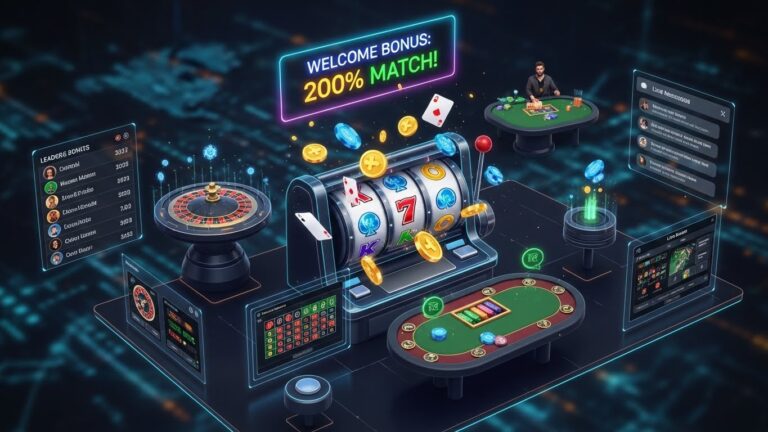
The digital era has transformed how we entertain ourselves, and iGaming has emerged as one of the most influential forms of modern entertainment. iGaming, which encompasses online casinos, sports betting, poker, bingo, and other interactive games, has evolved from simple digital adaptations of traditional games into immersive, technology-driven experiences. Millions of players worldwide now enjoy iGaming for entertainment, social interaction, and the thrill of competition. This blog explores the evolution of iGaming, its technological advancements, social and cultural impact, and the trends shaping its future.
The Origins of iGaming
The concept of iGaming dates back to the early days of the internet when developers began replicating casino and gaming experiences online. The first online casinos emerged in the mid-1990s, offering simple games such as blackjack, roulette, and slots. While basic compared to today’s standards, these platforms introduced the idea that gambling and gaming could be enjoyed digitally, opening the door to a global audience.
During the early years, players were mostly limited by slow internet connections and minimal graphics. Yet, the novelty of playing digital versions of familiar games from home was enough to spark interest. As technology improved, online gaming grew in complexity, accessibility, and appeal.
Technology as a Driving Force
Technological advancements have been instrumental in shaping iGaming into the sophisticated industry it is today. High-speed internet, secure payment gateways, and powerful software platforms have enabled seamless gameplay and ensured player trust. Modern iGaming platforms feature realistic graphics, interactive features, and user-friendly interfaces that enhance immersion.
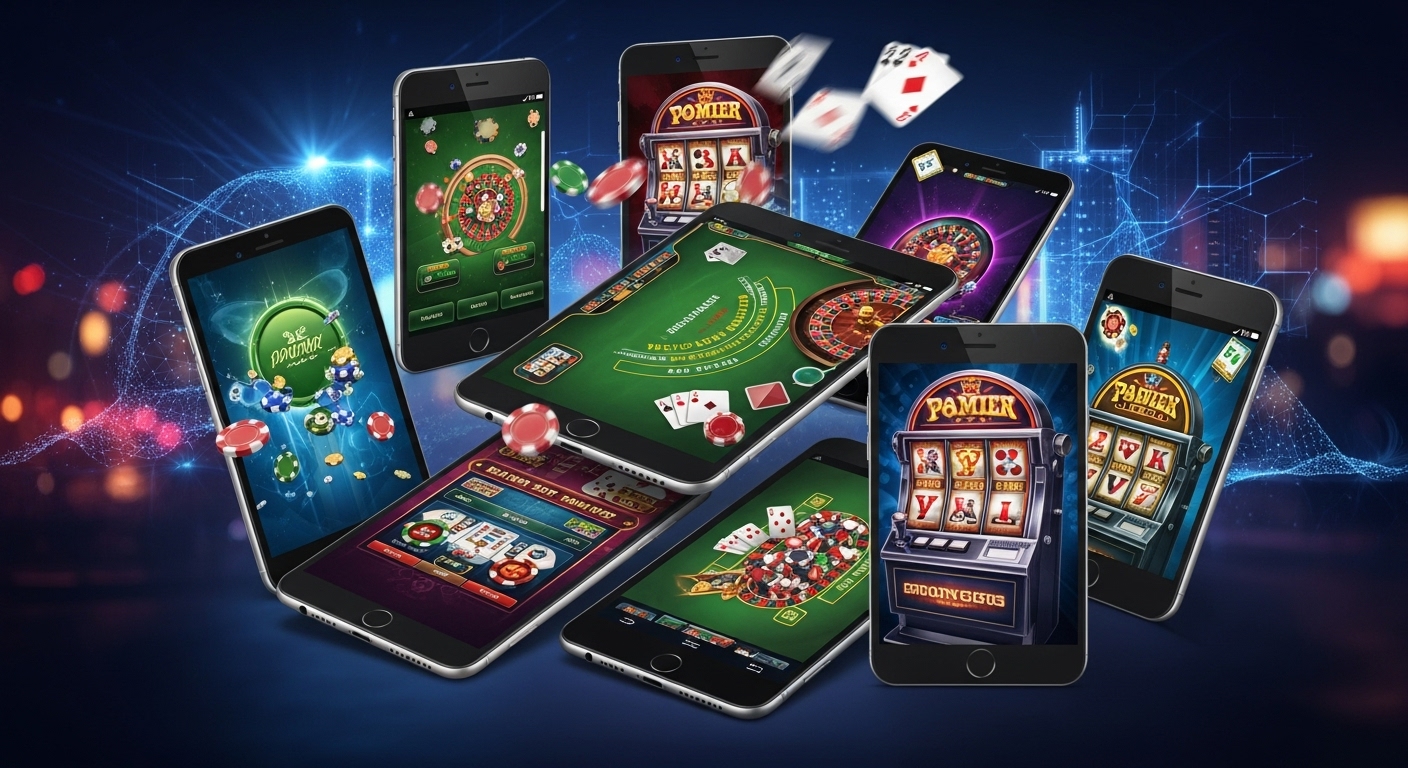
Mobile technology has been a game-changer for iGaming. Smartphones and tablets allow players to access games anytime and anywhere, making gaming more convenient and versatile. Mobile platforms are equipped with touch-friendly interfaces, adaptive screens, and optimized gameplay, ensuring that users enjoy an engaging experience on any device.
Artificial intelligence is another transformative technology. AI is used to personalize experiences, optimize game mechanics, and provide real-time assistance to players. By analyzing player behavior, AI can recommend games, adjust difficulty levels, and maintain engagement. Virtual reality and augmented reality are also entering iGaming, promising immersive environments where players feel fully involved in the action.
The Evolution of User Experience
iGaming platforms now focus heavily on user experience. Early platforms were simple and functional, but modern designs prioritize immersion, interactivity, and entertainment value. Features such as live dealer games, multiplayer modes, and thematic interfaces create a casino-like atmosphere online.
Customization options further enhance engagement. Players can select avatars, design profiles, choose themes, and interact with other users. Tutorials, guided play, and progressive difficulty levels make games accessible to beginners while still challenging experienced players. This inclusive approach ensures that iGaming appeals to a wide demographic.
Mobile Gaming: iGaming in the Palm of Your Hand
The shift to mobile devices has expanded the reach of iGaming dramatically. Players no longer need to access desktops or visit physical casinos; they can play anywhere, anytime. Mobile iGaming combines convenience with quality, offering high-definition graphics, smooth navigation, and quick loading times.
Apps and responsive websites allow seamless gameplay across devices. Mobile technology also supports push notifications, updates, and promotions, keeping players engaged and informed. The portability of mobile iGaming makes it particularly appealing to modern users who value flexibility and instant access.
Social Interaction in iGaming
One of the defining features of modern iGaming is social interaction. Multiplayer games, chat features, and online communities allow players to connect, compete, and collaborate. Social leaderboards and tournaments encourage friendly competition and foster a sense of community.
Online interactions replicate some of the social elements of traditional gaming while adding unique digital benefits. Players can meet others globally, share experiences, and form lasting connections. This social dimension transforms iGaming from a solitary pastime into an interactive, community-driven experience.
Live Dealer and Real-Time Gaming
Live dealer games are a major innovation in iGaming, offering players the chance to experience the thrill of a real casino without leaving home. High-definition video streams allow players to watch dealers shuffle cards, spin roulette wheels, and manage games in real time.
The interactivity of live dealer games makes them highly engaging. Players can communicate with dealers, make decisions quickly, and experience authentic game mechanics. These features bridge the gap between physical and digital entertainment, providing a realistic and immersive experience.
Security and Trust in iGaming
With the growth of iGaming, security and trust have become paramount. Platforms invest heavily in encryption, secure payment systems, and identity verification processes to ensure player safety. These measures protect sensitive data and create a safe environment for transactions.
Regulatory compliance is another key factor. Licensed platforms adhere to strict rules, offering fairness, transparency, and accountability. Independent audits, RNG (Random Number Generator) certifications, and adherence to international standards further enhance trust and reliability. A secure and trustworthy environment is essential for the long-term growth and credibility of the iGaming industry.
The Cultural Impact of iGaming
iGaming has had a significant cultural impact. It has introduced new forms of social interaction, entertainment, and competition. Online communities, tournaments, and virtual events have created shared experiences that bring players together across borders.
iGaming also contributes to the economy, creating jobs in software development, customer service, marketing, and event management. Large-scale tournaments and online competitions attract sponsorships and investment, highlighting the industry’s economic and cultural significance.
Furthermore, iGaming has influenced how people perceive entertainment and leisure. Digital gaming offers a convenient, immersive, and interactive alternative to traditional forms of recreation, appealing to diverse age groups and lifestyles.
Trends Shaping the Future of iGaming
The iGaming industry continues to evolve rapidly, driven by technological innovation and changing player expectations. Virtual reality and augmented reality are expected to become more widespread, offering fully immersive digital experiences. AI will continue to enhance personalization, game design, and engagement strategies.
Cross-platform integration is another emerging trend. Players will be able to seamlessly transition between devices, maintaining progress and preferences across smartphones, tablets, and desktops. Interactive storytelling, gamified elements, and skill-based challenges will continue to shape the future of iGaming.
Esports integration is also gaining traction. Competitive gaming tournaments featuring iGaming titles can attract global audiences, blending entertainment, skill, and digital engagement. This convergence of gaming formats will expand the appeal of iGaming even further.
Why iGaming Continues to Thrive
The success of iGaming lies in its ability to combine convenience, interactivity, and excitement. Unlike traditional games or entertainment, iGaming offers flexibility, accessibility, and personalized experiences. Players can choose games that match their interests, play at their own pace, and connect with others around the world.
iGaming appeals to both casual players seeking entertainment and serious gamers looking for competition. The continuous addition of new features, themes, and innovations ensures that the experience remains fresh and engaging. This adaptability has allowed iGaming to thrive and expand globally.
Conclusion: The Future of Digital Entertainment
iGaming has grown from simple digital adaptations into a sophisticated, immersive, and global form of entertainment. Technology, innovation, and social interaction have transformed the industry, making it one of the most exciting sectors in modern digital entertainment.
As advancements in virtual reality, augmented reality, artificial intelligence, and mobile technology continue, iGaming will evolve even further. It will offer more immersive experiences, foster global communities, and redefine what digital entertainment means.
iGaming is not just a pastime; it is a digital playground where technology, creativity, and social engagement converge. Its growth reflects human curiosity, desire for interactive experiences, and the endless possibilities of the digital age. With its combination of innovation, excitement, and accessibility, iGaming is set to remain at the forefront of entertainment for years to come.
About the Author