
The digital era has transformed nearly every aspect of our daily lives, from how we communicate to how we shop and even how we entertain ourselves. One sector that has particularly benefited from this technological revolution is iGaming, or online gaming. What started as a niche market in the early 2000s has rapidly evolved into a massive global industry, reshaping the way people engage with gaming, gambling, and entertainment.
iGaming includes a wide variety of digital entertainment, from online casinos and sports betting to virtual poker and eSports betting. Today, iGaming is a multi-billion-dollar industry that continues to grow and innovate, offering players immersive experiences from the comfort of their homes. But what exactly is iGaming, and how did it become the powerhouse it is today? In this blog post, we will explore the rise of iGaming, its various forms, its impact on the gaming industry, and where the future of online gaming is headed.
What is iGaming? Understanding the Concept
iGaming, or internet gaming, refers to any form of gambling or gaming that is conducted via the internet. It encompasses a broad spectrum of online entertainment activities, ranging from virtual casinos, online poker, and slot machines to sports betting, eSports wagering, and even fantasy sports. The term “iGaming” is often used interchangeably with “online gambling” or “online gaming,” though the two are slightly different in scope.
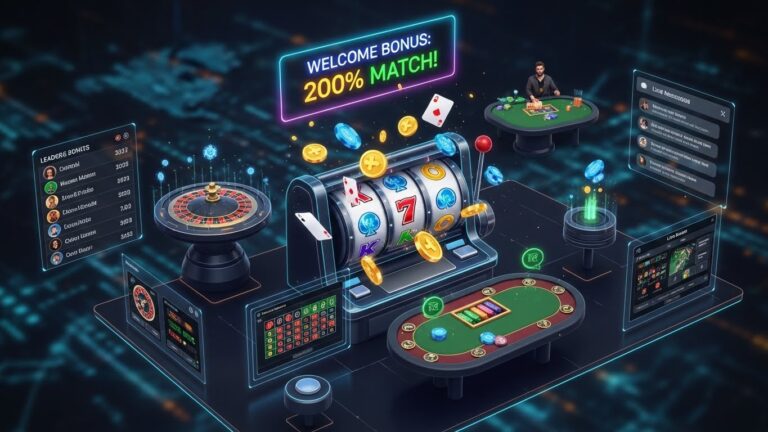
Online casinos are perhaps the most well-known form of iGaming. These virtual platforms offer players the chance to play popular casino games such as poker, blackjack, roulette, baccarat, and a variety of slot games—all without leaving the house. Sports betting also forms a significant part of the iGaming market, with enthusiasts placing wagers on everything from football and basketball to horse racing and cricket.
What sets iGaming apart from traditional gambling or gaming is the accessibility and convenience it offers. With just an internet connection, players can access a wealth of gaming options, participate in live dealer games, or place bets on events happening in real-time. The flexibility of iGaming has attracted a diverse audience, allowing both casual gamers and seasoned bettors to participate in the entertainment from virtually anywhere in the world.
The Origins of iGaming: From Land-Based to Online
The history of iGaming dates back to the mid-1990s when the internet began to gain widespread use. The first significant development came in 1994 when Antigua and Barbuda passed the Free Trade and Processing Act, allowing companies to offer online gaming services. The same year, Microgaming, a software development company, launched the first true online casino. It was called “InterCasino,” and it offered a handful of games like blackjack, roulette, and slots.
This was the birth of online gambling, though at the time, it was a relatively small, niche market. The early players in the space were pioneers who saw the potential for creating a virtual version of the land-based casino experience. However, while the technology to create these online experiences existed, it would take another decade of growth and regulatory evolution for iGaming to truly take off.
By the late 1990s and early 2000s, the internet had become far more accessible, and internet speeds were faster and more reliable. This led to an increase in the number of online casinos, poker rooms, and sportsbooks. The first real boom came in the early 2000s, with new software providers like Playtech and Cryptologic creating more sophisticated gaming platforms, offering better graphics, sound, and security features.
The rapid growth of the internet, coupled with advancements in payment systems such as PayPal, made it easier for people to deposit and withdraw money from online gaming sites. During this time, online poker experienced a huge surge in popularity, largely due to the success of poker tournaments like the World Series of Poker, which gained a huge television following in the early 2000s. Online poker rooms like PokerStars and PartyPoker became household names, attracting millions of players.
The Expansion of iGaming: From Casinos to Sports and eSports
As iGaming became more popular, it expanded beyond the traditional casino and poker games. Online sports betting was one of the first major developments, and it quickly became a central component of the iGaming industry. With the rise of the internet, sports fans could place bets on nearly every conceivable sporting event, from major leagues like the NFL, NBA, and Premier League to niche sports and even virtual events.
The integration of live betting, where users can place bets on ongoing games or matches in real-time, revolutionized the sports betting experience. Players could watch events live and place wagers on different outcomes, making sports betting more interactive and engaging than ever before. Online sportsbooks, like Bet365 and William Hill, quickly rose to prominence, offering a full range of betting options and enhancing the overall experience for players.
In the past decade, a new and exciting trend has emerged: eSports betting. The global rise of competitive gaming has transformed eSports into a multi-billion-dollar industry, attracting millions of fans who watch tournaments and leagues featuring games like League of Legends, Dota 2, and Counter-Strike: Global Offensive. eSports betting platforms allow fans to wager on their favorite teams or players, much like traditional sports betting, creating a new dimension of iGaming. Major eSports events now have the same production values, sponsorships, and viewership as traditional sports, further cementing eSports as a critical component of the iGaming ecosystem.
Fantasy sports have also become a major part of the iGaming world. Fantasy football, baseball, basketball, and other sports leagues allow fans to create their own teams and compete against others based on the real-life performance of athletes. Platforms like FanDuel and DraftKings have gained immense popularity, giving players the chance to draft teams, place bets, and win real money.
The Role of Technology in iGaming: Advancements That Drive the Industry
One of the primary factors driving the growth of iGaming is technology. Innovations in software development, mobile technology, and payment systems have made it easier than ever to participate in online gaming.
Mobile Gaming
As smartphones became ubiquitous in the late 2000s, mobile gaming grew exponentially. Today, mobile gaming accounts for a substantial portion of iGaming revenue, with millions of players using their phones or tablets to access online casinos, poker rooms, and sports betting platforms. The ability to play on the go has been a game-changer, allowing players to access their favorite games at any time.
Live Dealer Games
Live dealer games have also revolutionized the iGaming experience. These games, which feature real human dealers streaming in real-time from a casino studio, provide a more immersive experience than traditional online casino games. Players can interact with the dealer and other players via chat, creating a social aspect that was previously absent from digital gaming.
Cryptocurrency
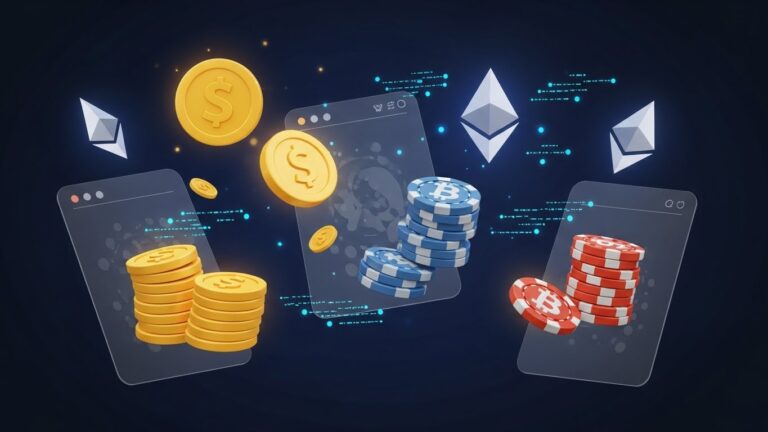
In recent years, cryptocurrencies like Bitcoin, Ethereum, and others have entered the iGaming space. Many online casinos and sportsbooks now accept cryptocurrency as a form of payment, providing faster transactions and greater privacy for players. The rise of blockchain technology has also opened new avenues for innovation in terms of transparency, fairness, and security in online gaming.
Artificial Intelligence and Data Analytics
Artificial intelligence (AI) and data analytics are also playing an increasingly important role in iGaming. AI is used to improve game design, provide personalized recommendations to players, and even detect fraud or cheating. Additionally, data analytics are used by online casinos and sports betting platforms to track player behavior, optimize marketing strategies, and improve the overall gaming experience.
Regulatory Challenges and the Future of iGaming
As the iGaming industry has grown, so too has the need for regulation and oversight. Governments and regulatory bodies around the world have worked to develop frameworks to ensure fairness, protect players, and prevent gambling-related problems. The legal status of iGaming varies from country to country, with some regions having fully legalized and regulated markets, while others maintain strict bans on online gambling.
In regions where iGaming is regulated, operators must obtain licenses and adhere to specific rules regarding fair play, player protection, and responsible gambling. Licensing authorities, such as the Malta Gaming Authority and the UK Gambling Commission, play an essential role in maintaining the integrity of the industry.
Looking ahead, the future of iGaming is filled with exciting possibilities. The continued evolution of technology will likely introduce even more immersive and interactive gaming experiences. As virtual reality and augmented reality become more mainstream, players may soon be able to enter fully interactive 3D worlds and casinos. Additionally, the rise of new markets, particularly in Asia and the United States, could fuel further growth in the iGaming industry, expanding the player base and diversifying the types of games available.
Conclusion: The Impact of iGaming on Global Entertainment
iGaming has undoubtedly transformed the entertainment landscape. What was once a niche hobby is now a global industry that touches every aspect of gaming, gambling, and sports. Through the power of technology, iGaming has brought people together, offering them new ways to engage with their favorite games, compete, and win.
The flexibility, accessibility, and continuous innovation within the iGaming industry have made it an exciting sector to watch. As new technologies like VR, AI, and blockchain continue to emerge, we can only expect iGaming to evolve even further. Whether it’s online casinos, sports betting, or eSports, iGaming offers limitless possibilities for both players and operators alike, with the potential to revolutionize the future of entertainment even further.
About the Author